(Last year. I finished editing my 92-year-old mother’s memoirs and had them printed for her to give to family members as holiday gifts. Here is one about what life was like for her as the mother of three boys and a husband on the road. Of added interest, I’m including the voice of her granddaughter Stephanie reading the story. The little bit of Spanish you hear at the start is Stephanie providing context to her Spanish husband, Moises. –Andy)
A Day in My Life as a Mother
by Carib Smallman
Most important to my life as a mother was Al’s job. For thirty-two years, he worked as a salesman and then as Division Manager for E. J. Brach and Sons, a Chicago based candy company. Travel was important to his job. His territory, while we were in Omaha, Nebraska, was the northern half of Nebraska, southeastern South Dakota and western Iowa. He was on the road Monday through Friday two weeks out of four. In addition to sales meetings, which happened at least quarterly and took up part of a weekend, he spent five times a year out of town over a weekend. I missed him, but what I missed more was having some time to myself. Without him and his help with the boys, those almost two weeks seemed endless.
By summer of 1965, we had three boys: Scott, going on 6, Steve, 3. and Andy, 2. My day started when Scott would wake at seven a.m. Steve and Andy were close behind. As I helped with getting them dressed, before I started a load of wash, the boys discussed what they wanted for breakfast. After loading the washer, I made the beds and prepared breakfast. Then I supervised tooth brushing and carried the clean clothes out to hang on the line, while the boys played in their rooms. As I look back on those mornings, it makes me tired.
The tract houses near ours were occupied by families composed of two parents and two to four kids. This provided plenty of playmates for our three. A few of the mothers worked full time. Over the eleven years we lived there, five of the households became like family. Several of us keep in touch to this day.
Often on a summer morning, my closest neighbor, Eunice, would call across the yard, “How about some iced tea?”
Norma, on the other side of our house, hanging newly clean wash on her clothesline, would call back that she would be over in a few minutes.
“Sounds good to me!” I shouted, as I returned inside to gather up the boys.
Eunice would set up two small tables, with chairs for the eight kids. She had KoolAid and cookies for them. Eunice had three girls and a boy, Norma had one girl and was pregnant, and I had our three boys. Eunice’s oldest girl, Shelley, and Scott were the same age, the oldest of the group. The gang played well together with not too many squabbles. It was a nice break for us moms to be able to talk to other adults for forty-five to sixty minutes. The three of us took turns hosting the gang.
But my favorite time of day came after lunch. I’d quickly wash the dishes. “Story time!” I’d call. I never used the word nap.
The four of us would climb onto Al’s and my king-size bed, snuggling up so everyone could see the pictures. We all rested while I read Winnie the Pooh or The House at Pooh Corner. We also read our way through Wind in the Willows, which I had never read as a kid. Mrs. Piggle-Wiggle was another favorite. Andy and Steve would most often fall asleep. Scott knew he needed to stay quiet until I got up. Looking back, I see how much those books affected the boys. Even now, when we gather, there is often some quote or reference to a character. At family gatherings someone will mention something that brings back a quote – “They’re changing guards at Buckingham Palace,” immediately from another voice – “Christopher Robin went down with Alice.” We all remember Mr. Toad and his motorcar. Occasionally, we have been on a bridge over a small creek and played “Poohsticks.”
Omaha is miserably hot and humid in the summer. Scott and Steve enjoyed playing outside for a while in the afternoon, but were soon happy to be inside with our air conditioner. How pleased I still am, decades later, to have chosen an air conditioner over carpeting when we moved in!
Bath time came after dinner and dishes. Three boys in a tub! How crazy can it get? I let them play as long as they could keep peace. I enjoyed sitting beside the tub, swiping at the boys’ faces with a washcloth, as they propelled their boats in the water.
On a “short week” for Al, he would be home by Friday night. On Saturday, after lunch and with dishes done, I would take the car, all by myself, and go wherever I wanted. “See you for dinner, guys!,” I would call as I walked out the door.
I can still feel the soothing quietness outside the house. I love being a mother, and now a grandmother and a great-grandmother, but every adult needs some quiet time away from children, even a short time.
I’m pretty sure the picture on the left was taken on the first day of school in 1975, what would have been my first day of 7th grade and my very first day at Tillicum Junior High in Bellevue, WA. Stick with me while I do the math: if that was 1975 and this is 2025, well, that’s 50 years ago. By that calculation, I guess I’m now in the 57th grade, assuming I’ve not been held back (or skipped ahead, for that matter).
The picture on the right, I’m almost certain, was taken by Mrs. Martin, my 7th grade homeroom teacher. Homeroom meant having a teacher for two periods: Language Arts and Social Studies. As initially scheduled, those classes were back-to-back, periods 5 and 6 in the afternoon for me. But Tillicum had this quirky system where the class periods rotated. So depending on the day of the week, your morning classes would take place in the afternoon and vice versa. Looking back, I suppose it was meant to keep things “fresh,” maybe even based on some circadian-rhythm research. But to us kids, it mostly felt like an extra layer of confusion and stress, as if junior high didn’t already have enough of both. We’d just come from elementary school, where we basically stayed in one room with one teacher the whole day, to suddenly juggling seven classes in seven different rooms. Why not add in mixing up when the classes took place? Not to mention going to school with 9th graders, some who looked like the teachers?
So, yeah, I can just imagine the Tillicum administration saying something like, “Hey, let’s mix things up! On Tuesdays and Thursdays, we’ll put afternoon classes in the morning and morning classes in the afternoon. That ought to keep those kids sharp.”
Now, if you look closely at the picture on the right, you’ll see I’m wearing the same shirt I had on the first day of school. That makes me wonder if Mrs. Martin snapped the photo on the first day. Maybe… but I look like I’m working awfully hard for a first day, and the pencil I’m clutching is way too stubby to be a “first-day-of-school pencil,” if you know what I mean. So let’s assume it wasn’t taken on day one. That leaves us with two possibilities:
1) I really liked that shirt.
2) I only owned one shirt.
I really liked that shirt. 70’s paisley. Sign me up!
Speaking of clothes, the jacket I’m wearing in the picture on the left was handmade by my mom. She was super handy with her mint-green Singer sewing machine (which, if I remember correctly, my parents “bought” with Green Stamps back in the ’60s). The fabric design was Buffalo nickels. If you don’t know, a Buffalo nickel was a U.S. five-cent coin minted from 1913 to 1938. Since my family were collectors, we collected coins and getting a Buffalo nickel was kind of a big deal. We kept them and our other coins in those blue books where you’d press the coins into little round slots, all neatly organized by year. Half the fun was jamming the coin in without bending the cardboard. Remember those?
By the early ’70s, my brother Steve had become the main coin collector. I’d moved on to hockey cards, and our older brother Scott, well, we always said he just collected money. Not coins, not cards, just the kind you stick in a bank or invest. Steve eventually eased up on coin collecting, and I sold off my hockey cards in the early ’90s. Scott? He’s still doing a pretty good job collecting money.
You might be wondering why I’m wearing the Buffalo nickel jacket if Steve was the coin collector. Good question. The simple answer: Mom made the jacket for him. She’d sewn a hockey-themed one for me. By the time 7th grade rolled around and I needed a jacket, Steve had outgrown it, so it became a hand-me-down. Being the youngest of three boys, I got a lot of hand-me-downs. And, yes, I’m still waiting for my first “new” bike.
As for the Buffalo nickel fabric, I think Mom picked it up at a store in the old Eastgate Shopping Center in Bellevue, right next to the old Bellevue airport. The center had a Safeway where, fun fact, a pilot crashed his Cessna in 1976. There was also a drugstore called Fischer Drugs, a Dairy Queen, and I’m pretty sure a Fotomat (look it up!) in the middle of the parking lot. My dad bought his Racing Forms at a place called Lil’ Johns, and my brothers and I bowled at Sun Villa Lanes. Sometimes we even got our hair cut at Jerry’s Barbershop. Get this, Jerry was my mom’s first cousin!
I think the fabric store was called Wigwam, a name that hasn’t aged too gracefully (kind of like some old sports team names; for instance, the Seattle Mariners are playing the Cleveland Guardians as I write this – see the connection?). I liked going to Fischer Drugs as they had sports cards and candy. Wigwam, though, was a colossal bore for me back then. Add in that my mom could get lost looking at the fabric, and well, “Mom, can I go to Fischer’s and get some candy?”
Keep in mind that my dad was a candy salesman.
I think I’ve digressed. Let’s get back to 7th grade homeroom and Mrs. Martin. I really liked her as a teacher, even though she was a bit strict. I was the kind of student who could meet a teacher’s expectations, provided they were clear, and Mrs. Martin’s expectations were crystal clear. That said, I’ve been a certified teacher in Washington State for 35 years now and in retrospect, some of Mrs. Martin’s teaching strategies clash with a lot of the principles I’ve spent my career advocating.
For example, she used competition as a teaching tool, pitting classmates against each other. I remember us having spelling bees where she divided the class into two teams, one lining up on each side of the room. The person at the front of each line was given a word to spell. Spell it correctly, and you moved to the back of the line for your next turn. Spell it wrong, and you slunk back to your desk between the two lines, feeling the sting of public humiliation. The team with the last person standing was the winner
See what I mean by junior high school stress??
I was one of the last people standing during one of these epic battles and got knocked out on the word receipt. Yeah, I got the “I before E except after C” thing right, but I forgot the letter P. Give me a break, I was 12 years-old! Do YOU hear a P in the word receipt? Boy, was I humiliated when I returned to my seat, especially when a girl named Katie on the other team spelled receipt correctly. Game over. My cheeks burned.
I do have to give Mrs. Martin some credit, though. I’ve never misspelled “receipt” since that day. Not once. But seriously, at what price? Some lessons stick for life… and some stick with a little trauma attached.
As much as I think spelling bees like that are really bad teaching strategies (After all, who gets the most practice? The best spellers, of course.), Mrs. Martin did something else that was quite hard on me, specifically. For behavior management, she handed out demerits to misbehaving students. That might not sound so bad at first, though getting a demerit in front of your classmates could be pretty embarrassing. The real kicker? She didn’t keep track of them herself. Too busy teaching, she handed the job to a student.
And that student was me.
How would you like to be chosen by your homeroom teacher in 7th grade to keep tabs on your classmates? When a student distracted her or otherwise misbehaved in a way that Mrs. Martin deemed deserved a demerit, she’d turn her attention, and that of the class, to me. In a little notebook she had given me, I had to make a mark next to a kid’s name every time they got a demerit — four lines for four demerits, then a vertical line through them for the fifth, and then start over with the next group of five.
It never even occurred to me what would happen if I got a demerit. But you can bet I was on my best behavior to make sure it never happened.
I can still remember the kid who racked up the most demerits – Kurt (I’ll spare his last name for privacy, but yes, I remember it, too). Poor Kurt. So many blocks of five. It was almost like he was collecting demerits on purpose once he got started. I think many of them were for making funny noises, probably something he couldn’t control. Kurt had a talent for distraction, and apparently, for accumulating demerits.
Here’s where the story takes a wild turn. Years later, after high school (Sammamish High, if you’re keeping score at home), Kurt went to Washington State University, the same university Melinda, my wife, attended. They were there at the same time, they knew each other, and yes, they even dated. Melinda says Kurt was her first serious boyfriend. Sadly, he passed away in 1984 while on an exchange program in Sweden.
Okay, enough of the sad stuff. Let’s lighten the mood. Back in high school, Kurt, I, and a few other friends went to see the Boomtown Rats (yes, that’s a band) in Seattle on St. Patrick’s Day, 1981. What a fun night! It started with a light dinner at Debbie’s apartment in North Seattle, Debbie being my brother Steve’s girlfriend (side note – on December 30th this year, which we’ve already established is 2025, Steve and Debbie, now Deb, will be celebrating their 43rd wedding anniversary). For us high schoolers, it was a big deal because Steve and Debbie were in college and had invited us over before the concert.
I don’t remember everyone who was there, but I know for sure it included my buddies John and Marc. Pretty sure Kevin and Bruce were there too, though don’t quote me on that. After the pre-concert dinner at Debbie’s, we carpooled to the Paramount, where the show was being recorded for future radio airplay. Bob Geldof, the lead singer and main songwriter for the Boomtown Rats, cued the audience at times to get the right crowd noise.
I don’t think Geldof gave any cues to John that made him throw up halfway through the show, which scattered a few rows of concert-goers. Could I blame it on something John had eaten at Debbie’s? Let’s be honest, it wasn’t what he had eaten. It was what he drank. Well, what he drank and how much, if you get my drift. It’s become one of those stories we tell over and over. And Kurt was there. I don’t recall him getting any demerits.
Here’s an interesting twist / digression: The reason Melinda and I even know each other is because she had learned you could make a surprising amount of money working at an Alaskan cannery over the summer, enough, maybe, to cover a year of college tuition. She and a friend found out through a classified ad, maybe in The Little Nickel (a pre-Internet Craig’s List – look that up, too). Later, at a party, another guest told her they had just overheard two guys talking about the same opportunity on a Metro bus.
Melinda looked into it, and in the summer of 1982, she had the “pleasure” of hacking up salmon to prepare it for canning (to this day, the smell of canned salmon is known to cause her to behave in a way that could scatter a few rows of concert-goers at a Boomtown Rats concert). She met Kevin and Bruce at the cannery that summer. Yes, THAT Kevin and THAT Bruce, two of the people who may or may not have been at the Boomtown Rats concert a year and half earlier. And by all accounts and as wild as this sounds, Kevin and Bruce were probably the two guys the party-goer overheard on the Metro bus.
In 1984, after Kurt passed away, Kevin and Bruce helped Melinda through the early stages of her grief. Around that time, she and I met at a party, though it wasn’t until 1990 that we became, shall we say, romantically involved. On December 31, 1990, we got married. Kevin and Bruce were our witnesses.
Can we all agree that it’s a crazy world — Buffalo nickel jackets, demerits, canned salmon, and all?
So, yeah, the picture of me on the left was taken on the first day of 7th grade in 1975. And I’m pretty sure the picture on the right was taken by Mrs. Martin, my 7th grade homeroom teacher.
When I was a little boy, the youngest of three sons, my family lived in Omaha, Nebraska. That’s where I was born so 100% of my life’s experience was developed in Omaha; that is, until my father was transferred to the Seattle area a couple of months before I turned 11.
I was raised a sports fan, most specifically baseball and hockey. While my brothers and I played sports, it was more the garden variety neighborhood pick-up games than with organized teams, albeit with some exceptions. My oldest brother, Scott, played a year of Little League baseball and I played a year of organized ice hockey. Steve, the middle brother, and I played softball through Cub Scouts and we all bowled somewhat competitively.
Perhaps more than playing sports, my family enjoyed attending sporting events. Omaha wasn’t big enough for the major leagues, but we did have some really good minor league teams during the time we lived there, the 1960’s and early 1970’s. The Omaha Knights hockey team was affiliated with the New York Rangers and we saw some pretty good players and coaches begin their professional careers inside Ak-Sar-Ben Coliseum. Most notably, defenseman André Dupont and coach Fred Shero helped guide the Knights to a Central Hockey League championship before winning a couple of Stanley Cups with the Philadelphia Flyers “Broad Street Bullies” teams in the mid 1970’s.
The top farm team for major league baseball’s Kansas City Royals was in Omaha. Also called the Royals, we saw some excellent baseball players pass through on the way to the “Show,” as the big leagues is called, including future Hall-of-Famer George Brett. Outfielder Amos Otis, pitcher Paul Splittorff, and second baseman Frank White all played in Omaha before making it big as members of some solid Kansas City teams in the 1970’s and beyond. And manager Jack McKeon ended up winning over 1000 games as a big league manager after his stint in Omaha.
My favorite baseball player was one of the older members of the team in both 1969 and 1970, an outfielder by the name of George Spriggs. I’m not really sure why Spriggs caught my attention more than the younger guys on their way up. But if I was to make a guess, I’m pretty sure it was the way he carried himself. He just looked like a baseball player to me. He wore his socks up, making his baseball pants look baggy, which I tried to emulate when I put on my replica Omaha Royals uniform. His most notable characteristic, at least to me, was how he carried his baseball glove when jogging out to take his position in centerfield. With his hand in his glove, he somehow tucked the glove into the spot between his arm and chest, the top resting inside his armpit. Of course, that’s how I carried my glove when jogging from whatever we used as a dugout to my position in the field.
Spriggs came to the Kansas City organization from the Pittsburgh Pirates where he’d been languishing in the minor leagues. I suppose the Royals, being a new team at the time, thought he might make a good utility outfielder for them. For whatever reason, though, they sent him down to Omaha where he tore up the league in 1970. I remember him being super fast and stealing a lot of bases. He helped guide Omaha to the American Association championship that year and won the league’s Most Valuable Player award. My family was there at Rosenblatt Stadium to see a lot of those games.
We’d sit on the 3rd base side of the field and arrive early to watch the players warm-up. Looking back on it, I suppose arriving early extended my parents’ entertainment dollar, which I learned later wasn’t large. What I remember at the time was loving it, going down to the rail and calling the players’ names, hoping they’d come over to autograph our programs, gloves, or anything else we might have for them to sign. For some of the more veteran players on both the Royals and whatever team was visiting, players demoted from the majors, we’d bring their baseball cards. It was always a big achievement to get a baseball card signed.
About George Spriggs, as an adult I learned that he had played in what was the remnants of the Negro Leagues in the 1960’s. It’s well-known now that there was a time in which black players were banned from playing in the “major leagues” (I put that in quotes because the so-called Negro League teams were at least as good as the so-called Major League teams of the time). Jackie Robinson broke the “color barrier” in 1947 but due to racism and other reasons, aspects of the Negro Leagues continued on until the mid 1960’s. That’s when Spriggs played.
By the way, a well-written and heartfelt tribute to George Spriggs’s baseball career can be found here. I highly recommend it.
I don’t recall what made me think of George Spriggs recently but I think it had to do with reminiscing about my life in Omaha. As I often do, I was playing some songs from that time period and decided to try to create some “70’s soul ballads” on Suno, the artificial intelligence song generator that has captured my fancy for the better part of the last two years. I’ve been taking song lyrics and poems I’ve written at various points in my life and making them into songs, something that I’ve found both energizing and fulfilling.
Writing with a specific genre in mind provides me with an interesting challenge. I think I’ve been most successful with country songs, for whatever reason. But I’m such a nostalgia sap and I have a lot of warm feelings about music from the early 1970’s that I wanted to give that era a go, specifically some of the soul ballads of the time. “Midnight Train to Georgia,” “Me and Mrs Jones,” “You Make Me Feel Brand New,” and “Could it Be I’m Falling in Love” work like a time machine for me, bringing back feelings and memories from over 50 years ago. And because a couple of those years were really tough for me, punctuated by night terrors and a week-long hospitalization to try to get to the bottom of it, I think I have a need to make sense of the time.
Using Suno to create songs from different genres prompted a desire in me to come up with band names for the various styles. My country songs are “performed” by a fictional band I call Executive Estates, the name of the apartment complex in Seattle in which I lived when I started writing sappy break-up songs, perfect for country music. Two other of my “bands” are named in honor of tram stops on Line 2 in Nantes, France where my wife, daughters, and I lived for a year in 2010-11. Recteur Schmitt has an Eastern European / gypsy-punk vibe, and Motte Rouge has an alternative pop-folk feel with a female lead singer. You can find all three bands on Spotify or download some songs on Bandcamp.
Perhaps you see where this essay is going. What to name the fictional band of my new 70’s soul ballad songs, right? I got a little giddy when the idea of naming it for George Spriggs occurred to me. And given many of the songs include background singers, I decided I needed both a singer and the band in the name, you know like Gladys Knight and the Pips. So I’m pleased to announce the debut single of George Spriggs and the Omaha Royals, complete with the music video below.
END-NOTE:
I know a lot of people are understandably disturbed by AI-generated music. I’m not trying to promote it or defend it beyond saying that it brings me tremendous pleasure to create these songs. I write the lyrics and the prompts, then spend time adjusting the sound until I get what I want. The end result feels like some kind of magic to me.
Back in the late summer of 1996, my older daughter, Chloe, age three, and I were home, just the two of us on a Saturday night. My wife and Chloe’s mom, Melinda (who was pregnant with our younger daughter, Ella, at the time), had gone out with some friends. Together, Chloe and I made ourselves a casual dinner and now, the dishes cleaned up, it was nearing her bedtime.
At Chloe’s request, I had gotten out the art supplies and she was busy coloring, cutting paper, painting, and whatever else struck her artistic fancy at three-years-old. I was taken by the seriousness with which she was engaged, although it also struck me that part of her seriousness was to keep herself busy so maybe she would get to stay up past her bedtime. Watching her, all of these things kind of converged in my mind and this idea of who controls time came to me.
We use the expression “learn to tell time” to refer to being able to read a clock. But I had the inspiration that there was another meaning for that expression, that if we tried, we might want “to tell time” to ease up on us. I mean it’s Saturday night, your lovely little three-year-old is engaged in an art project. Do you really need to put her to bed because the clock says it’s 8pm? Who’s telling who what to do?
Do we tell time or does time tell us?
I made note of that expression and let Chloe stay up past her bedtime. After finally putting her to bed, I wrote a poem that ended with that line and referenced the evening we had had together. Over the next nearly 20 years, the poem was stashed in a binder where I kept things like it, songs, poems, ideas. Soon before Chloe graduated from college in 2015, I came across it while sifting through the binder in one of my frequent forays down memory lane. I asked an artist friend (Fish Astronaut) to illustrate the poem, and I presented the hand-printed illustrated version to her as a graduation gift (click on the image above, that’s it, to see it enlarged and read the original poem).
In the ensuing nine years, the poem would find its way back into my mind. Or, more accurately, the idea of being the master of my time or time being the master of me would find its way back into my mind. The concept of mindfulness, Eckhart Tolle’s book “The Power of Now,” and even expressions like “there’s no time like the present” would rattle around.
One night not loo long ago, I decided to see if I could make the poem into a song lyric, a song that would make the point about being the master of our time rather than the other way around with an added implication that maybe we could all learn something from little kids. The rewrite came fairly easily. Then this month, April of 2024, after I discovered the Suno AI music generator, I inputted my song lyric and the prompt “An eastern European gypsy punk ballad with accordion and power chords, sung fast.” The song here is the result. For the music video, I added pictures of Chloe from in and around the time she was three.
Postscript – I’ve named the “band” performing this song “Recteur Schmitt” for reasons I will explain at a different time. For now, understand that Recteur Schmitt is the name of one of the stops on Line 2 of the tramway in Nantes, France. Find an entire album of Recteur Schmitt songs on the usual platforms – Spotify, Amazon Music & Apple Music. If you want to buy a copy of the album for $1.00, go to Bandcamp and know you will have made my day.
DOES TIME TELL US?
Saturday night sunset, the moon comes up – big, orange and bright.
Too late for being on time, too early for saying goodnight.
You sit undisturbed, absorbed in the concentration of being three.
Your bedtime comes and goes, now what becomes of me?
What do we know, what is the fuss?
Do we tell time or does time tell us?
What do we know, what is the fuss?
Do we tell time or does time tell us?
I buried a wish in the sandbox when I was eight.
And lost more than my friends when they could not relate.
Now I hold your tiny hand and I’m back in the right place,
I thank the clock each time I see your face.
What do we know, what is the fuss?
Do we tell time or does time tell us?
What do we know, what is the fuss?
Do we tell time or does time tell us?
They mismanage the time they save for themselves,
while little kids listen for fire trucks, fairies, and elves.
You and me, we are the secret no one understands,
colored paper meeting scissors, manipulated by little hands.
Hour glasses to measure time, alarm clocks to wake us up.
Too much sand is passing through while morning is too abrupt.
Saturday night sunset, the moon comes up – big, orange and bright.
Too late for being on time, too early for saying goodnight.
What do we know, what is the fuss?
Do we tell time or does time tell us?
What do we know, what is the fuss?
Do we tell time or does time tell us?
In 1974, my dad was transferred from the city of my birth, Omaha, to the Seattle area by Brach Candy, his employer. I sometimes say to people in the northwest, if you’ve heard of Brach Candy, my dad likely had something to do with your awareness.
Legendary jockey Willie Shoemaker after winning the 1978 Longacres Mile – photo credit: me!!What also transferred from the midwest to the northwest was my dad’s love for horse racing. Not far from SeaTac Airport was a racetrack called Longacres. I’ve written about this place many times as it has significant memories for me and they can all be traced to my dad.
As a kid, I watched him pore over the Racing Form, interpreting those little numbers into something that pitted his intellect against that of others. The intellectual challenge of this practice, what’s called handicapping, has always had a great appeal to me. In fact, beginning in high school and beyond as I made a career in education, I’ve often said that the best standardized test question I ever encountered is this:
“Pick the winner from a field of ten going six furlongs for a claiming price of $6250.”
The showcase race event of every Longacres season was the Longacres Mile. Taking place in August, it often brought the best horses on the west coast to Seattle, along with top jockeys and trainers. In 1978, my brother Scott & I stood at the finish line all day so I could be in place to take a picture of the finish and maybe get a photo of Willie Shoemaker. I got both as you can see here.
Longacres Mile Finish 1978 – photo credit: me!!The Longacres Mile was an important event for my dad and me for reasons that I hope have become obvious. We shared the joy of Trooper Seven winning the Mile in back-to-back years, 1980 and 1981, the first horse to ever do so. I’ve embedded the video of the 1981 race below, as called by legendary track announcer Gary Henson (who, incidentally, became a friend of mine when I worked at Longacres in 1988).
Longacres closed in 1992 but racing stayed alive with the opening of Emerald Downs in 1996. And I was more than pleased to see the new track officials honor the old traditions by keeping the Longacres Mile alive. In August each year, the famed race has taken place. As you might have watched in the video embedded in my blog post three posts back, my dad predicted the winner of the 2005 Mile for the local and national publications he wrote for. The winner, No Giveaway, went off at 60-1.
This is especially poignant for me today because a few weeks before my dad died, we had put on our calendars today’s date. Yes, it’s August, Yes, the Longacres Mile was run today at Emerald Downs. I thought about going by myself but instead went over to help my mom with some organizing in advance of my dad’s upcoming memorial.
Of additional poignance for me is this – The last (and final) time I took my dad to the racetrack was a year ago for the Longacres Mile.
Looking back on the spring and summer of 1988, it remains one of the highlight periods of my life and easily one of my favorites to that point. I turned 25 in May and earlier that spring had moved from Olympia, where I was attending The Evergreen State College, to Renton to be nearer to Longacres, a racetrack just south of Seattle.
That’s me on the far left with three of my high school friends. It’s 1980 and the dawn of our senior year. We’re cheering on our horses at Longacres.I had heard from colleagues at the Daily Racing Form that there was going to be an opening for the “call-taker” at Longacres that season. The “call-taker” is responsible for noting where the horses are at different points in a horse race using shorthand to write down the “calls” announced by a co-worker during the running of the race. Right after, the call-taker translates the shorthand into a chart that is typed up and made into the mass of data points in the Racing Form known as “past performances.” Having worked for the Racing Form prior to starting at Evergreen and after having spent my years at Evergreen working with and studying brain-injured children, as well as knowing I would soon be pursuing graduate work in education, the idea of having one last “fling” in the horse racing industry appealed to me tremendously. The job was mine if I wanted it. But I still had a number of credits to earn to meet the requirements of my undergraduate degree.
Back in 1985 when I started at Evergreen, like all first-year students I participated in a “core program,” a structure that introduces students to the school’s unique educational philosophy under a broad subject heading. I’ve sometimes referred to it as “2nd grade for college students” in that you work with the same students and teachers for the duration of the program. The core program I chose was called Human Development and was designed for students interested in future studies in education, medicine, psychology and other “helping” fields. Human Development enrolled 90 students who were supervised by four faculty members, three being part of the team all year and a fourth who changed each of the three academic terms. The head of the teaching team was a longtime Evergreen teacher named Sandra Simon.
This may be the one picture I have of me in my apartment in Olympia when I was attending Evergreen. Likely 1985 when this shot was taken.
Coincidentally, Sandra was involved in the horse racing industry as a horse owner so her name was familiar to me. Prior to Evergreen while working for the Racing Form, I had the responsibility of keeping owner records up to date. Not surprising, as my first year at Evergreen progressed, Sandra and I got to know each other pretty well, especially in the second quarter when she mentored me and approximately 20 other students directly. She was somewhat brusque in her manner but dedicated to helping her students discover our own deeper meanings. I enjoyed my conversations with her, which often started on something related to an assignment before venturing into horse racing. I clearly remember talking to her about Hester Prynne’s plight in “The Scarlet Letter” before the conversation pivoted to the ride her horse had gotten during a recent race down in California. I think I knew which topic we both preferred.
I had less contact with Sandra during the 1986-87 and 1987-88 school years owing to my off-campus work with an autistic teenager, a couple of brain-injured boys, and their parents. But with the call-taker job offer, I made an appointment to see her. Quite quickly, she got excited by the obvious “insider” status I would have at Longacres. The job involved me having a desk in the mornings near the barns, what in racetrack parlance is known as “the backstretch.” And during the races, I would be perched atop the grandstand near the stewards and the track announcer, as well as having access to the press box. In short, she recognized I would be hobnobbing with nearly every interesting personality at the track.
Sandra helped me conceptualize a study in which I would become, as she put it, a cultural anthropologist. The racetrack, she suggested, was a kind of closed culture. As an insider into this culture, she said, I could report on my observations while earning sociology and journalism credits. For spring quarter, she would assign me texts to read and reports to write. Two times per month, when racing wasn’t happening, I would travel the 60 miles from Renton to Olympia to meet with her in person to review my experience and efforts. For successful completion of the study, I would be awarded 16 credits, the maximum a student could earn for an academic term.
My dad, Al, at Longacres in the 1980’sI was completely smitten by the idea. Spending a season at Longacres with press credentials, free copies of the Daily Racing Form and other publications, as well as having access to trainers, jockeys, and race officials would be like a graduation gift to myself. An extra special bonus would be additional time with my dad, just the two of us. He was working two jobs then, one of which was as a correspondent for various horse race industry publications so he was at the track nearly every race day. With Sandra’s guidance, I wrote up what Evergreen called an “Independent Study Contract” and she signed it. I took the call-taker job and moved from Olympia to Renton.
As hoped for, my job at the track put me in contact with the inside workings of the racetrack. I would arrive at the track in the morning with a special parking pass that allowed me to drive my car into the barn area to a reserved parking spot near the race office. It was there that trainers entered their horses for races that would take place a few days later. I was given the entry information and organized it in a way that would make it easy to access each horse’s past performances for publication. In the case of a first-time starter, I would retrieve and copy the horse’s “papers,” what is in essence the horse’s birth certificate, to get breeding and other relevant information.
My desk was at the far end of the race office, just outside of where the stewards worked in the morning. The stewards at a racetrack, of which there are typically three, are like the referees in other sports. During the races, they watch for interference and can disqualify horses who negatively impact the ability of other horses from achieving their best performance. The stewards determine whether or not a violation has taken place and who is at fault, most commonly a jockey. In the morning, one of the stewards is present to meet with jockeys who have been responsible for such a violation. I could often overhear these conversations which resemble a seemingly repentant teenager listening to an authoritative parent chew them out. “Yes, sir. No, sir. Thank you, sir.”
On race days, of which there were five each week, my parking pass whisked me passed the general admission and preferred parkers to a special lot for members of the press and race officials a few feet from an employee’s entrance. I picked up a set of programs, passed through the press box, and then up to the “roof” to my desk in a special office for Racing Form employees. About an hour before the first race, I enjoyed a free meal offered to members of the press in the dining room. Before the first race and between races, I either hung out with the track announcer, the photo finisher camera operator, or with my dad in his favorite seat under the press box. During a race I was out on the catwalk with my call pad and pencil, having prepared my shorthand to identify each horse during the race. Next to me was the caller. A few feet from him was the videotape analyst and then the three stewards.
I was immediately drawn to the videotape analyst because he was my favorite jockey when I was a kid. His name was Steve Austin (yes, the same name given to the fictional Six Million Dollar man of the hit ABC TV show in the 70’s). Steve had to give up riding due to injuries but he had caught on in this role due to his good communication skills. His job was to watch the races from the perspective of a jockey and help the stewards understand what a jockey may have been been considering during a race. He would also coach and counsel jockeys to make better decisions. They listened to him because he had been in their position many times.
Steve was such a talker that it was easy to get to know him. I told him that he was my favorite jockey as a kid, regaling him with a story of how my grandmother and I liked to pick horses that he rode in a day’s final race if their running style was that of a closer, a horse that started slow and then came running past others toward the end of the race. Early in the season, I reminded him of a horse named Steelenson that he rode regularly and on whom my grandmother had cashed many $2 show tickets. I remember him laughing, his mustache smiling. He asked, “Do you remember Grandy Dandy?”
I remembered the name but not much more. Between races over a couple of days, Steve told me the Grandy Dandy story. I listened intently and when I got home each night, I wrote down what I remembered. I knew I had found a gold nugget for Sandra and my independent study requirements. What Steve told me of Grandy Dandy overlapped with when I became a huge horse racing fan. It was like pieces of a puzzle coming together in a wonderful way. I wrote an initial draft of the story and shared it with Sandra at one of our bi-weekly meetings. She enjoyed it but asked me to tighten it, focus a little bit more on the overlap and try to make the ending more profound. I drove to the office of the Racing Form to find charts of some of the races Steve recounted, worked on a final draft, and shared it with Sandra. It became one of the stand-out results of my 16-credit spring term and the one piece of writing I completed then that has survived the ensuing 35 years.
I present it here as I wrote it 35 years ago.
GRANDY DANDY
I was twelve-years-old in 1975 when Steve Austin was at the peak of his riding career. I was enjoying a leisurely summer, typical twelve-year-old fare, while Steve was earning a living guiding thoroughbred racehorses into the winner’s circle at Longacres racetrack near Seattle. Occasionally our paths came close to crossing as I was fast becoming a horserace fan and could think of nothing more entertaining than to spend an afternoon at the track with my father. He would teach me some of the finer subtleties of racehorse handicapping and over the course of the day’s ten races put up two dollars and allow me to put it on whatever horse I chose. If the ticket I bought was a winner, he’d get back his two bucks, leaving me with the profit.Steve Austin entering the paddock at Longacres, late 70’s or early 80’s.
One of the handicapping tools I found particularly useful was relating a jockey’s riding style to the running style of a horse. For instance, it became clear to me that Steve Austin was quite adept at bringing in horses from off the pace. And I always enjoyed watching a horse begin a race slowly, as if he were a rubber band slowly tightening, only to be released as the field turned for home. With a burst of speed on the outside he would catch the front-runners at the wire. I began looking for horses with this running style on which to invest my two dollars. And it was a plus if Steve Austin happened to be the rider.
That summer Steve picked up the mount on a three-year-old named Grandy Dandy. Actually, Steve had ridden the horse once before, guiding the gelding to an easy win over an average group of allowance runners in Portland. Recently, however, veteran reinsman Larry Pierce had been handling the assignment. But Grandy’s performance early in the Longacres season was below expectation and a rider change was suggested. Grandy and Steve were a perfect fit; Grandy was a loper, laying far off the early pace and Steve had the riding patience to allow for this. But when Steve asked him to run, Grandy would take off, circling the field and running them down. On June 29th, their first time together over the Longacres course, Grandy rallied from last in a stakes field of ten, catching the leaders late and paying 15 to 1!
Despite the fact that racehorse aren’t at their physical peak until about age five, their three-year-old season receives the most attention. The Kentucky Derby, the object of every thoroughbred horse owner’s dreams, is restricted to three-year-olds, as are many of the nation’s most famous races. When dreams get smaller and closer to reality, owners often turn their hopes to their state’s variation of the Derby. In Washington state that would be the Longacres Derby, run toward the end of August. Following his upset victory, Grandy’s owners were having these modest dreams. It appeared that they had a legitimate shot at capturing Washington’s biggest prize for three-year-olds but soon learned they would face one major obstacle, Dusty County.
Dusty County had been facing the top three-year-olds in northern California and had come away the kingpin. Going into the $100,000-added California Derby, he was undefeated and it took a record-breaking performance from an invader named Diablo to beat him. Still, Dusty moved on to face the best the west had to offer. In three starts at Hollywood Park, he had a second and a third, missing part of the purse only once and this due to a rough trip out of the gate. Hailing from Washington, it was expected he would be brought north to compete in his home state with the Longacres Derby as the ultimate goal. And with all variables considered, it would take a herculean effort to upset this overwhelming favorite.
Longacres was a picturesque racetrack.
But Grandy’s connections were not going to sit idly by and watch their star get beaten. They took Grandy north to Exhibition Park in Vancouver for the Richmond Handicap on July 5th. Contested over the Longacres Derby distance of nine furlongs, it would be the perfect indicator of Grandy’s ability to handle the distance. Steve Austin ventured north to accept the mount and the tandem was bet down to 2 to 1 favoritism. Negotiating Exhibition Park’s tight bullring turns to perfection, Steve asked Grandy to move sooner than usual. Grandy responded and together they drew off to win by a commanding eight lengths.
The traditional final prep at Longacres for the Derby is the Spokane Handicap. Run the first Sunday in August and contested over 1 1/16th miles, it is the perfect tightener for the three-year-olds against stakes-caliber competition before the Derby. In the thirty-eight runnings prior to 1975’s renewal, no fewer than ten winners of the Spokane went on to capture the Longacres Derby. And it was here that Grandy Dandy and Dusty County would first meet.
The morning of the race Steve had completed his usual activities of exercising horses and was lingering a bit longer than usual in the backstretch café. He was absorbed in the Racing Form, looking over the past performances of both his horse and those of his chief competitor. A friend approached and sat down, ultimately asking Steve about the big race. Steve explained he was looking for a way to beat Dusty County.
“Can’t be done,” his friend exclaimed.
“Well look here,” Steve said. “Here’s a race where Dusty got beat. Diablo beat him and Pincay was riding. All I’ve got to do is pretend I’m Pincay.”
A beautiful summer afternoon of sunshine greeted the Northwest race fans. By the time of the ninth race they were well settled in, anxious to catch a glimpse of the superstar they had heard so much about. They bet down Dusty County to sixty cents on the dollar and weren’t disappointed when leading rider Gary Baze took the favorite right to the front. Steve allowed Grandy to assume his usual early battle position toward the end of the pack, conserving his energy for his strong late kick. As the field pounded around the clubhouse turn, Grandy was in ninth, some eleven lengths off the pace. Dusty County was running easily on the front end as Grandy started picking up some of the pack. With a half mile to run, Grandy was fifth and closing. At the top of the stretch, Baze asked Dusty County for all he had. On this day, however, it was not enough; Grandy and Steve caught them inside the 16th pole and registered an electrifying 3/4 length win. As Steve weighed in after the race his friend called out, “Nice ride, Pincay.”
The scene was now set, all that was left was to wait the two weeks for the Derby. Grandy’s dramatic victory had endeared him to the hearts of the race fans and much of the pre-race chatter was of his chances. The more seasoned handicappers were looking for Dusty County to bounce back, improving after having had a trip over the local course. But there were other horses to consider as well. Cash Your Ticket was coming south from Vancouver following a big win and was expected to push Dusty on the lead. And the game runner Auguste was expected to venture north from California where he had just won and figured to be a factor late in the race if the speed backed up. The race promised to be an exciting one.
12,902 race fans were on hand to witness the 40th running of Longacres’ premier event for three-year-olds. Each and every one was treated to a spectacular show. Dusty County broke alertly and, as expected, Gary Baze again took him right to the front. They settled in comfortably, despite early pressure from Cash Your Ticket and longshot Majestic Major, completing the first half mile in a relaxed forty-seven seconds. Grandy had settled back and was also running easily. Steve gauged the pace from atop his mount, a little concerned at its leisurely clip but reassured by the pressure Dusty was getting. Next to Grandy, just inside him, was Auguste. Larry Pierce, who had been riding Auguste in California, was also content to allow his horse to relax, saving speed for the important stretch run.
As the field rounded the far turn, Baze asked Dusty for some run and he quickly opened up a three length lead, finishing Cash Your Ticket and Majestic Major. Both Steve and Pierce knew they had better move now or the race would be over; Dusty County was running too well. Then Pierce got a break. The rail opened up and he guided Auguste through. Steve and Grandy were caught on the outside, losing precious ground as the field turned for home. Dusty was still out by three but both Auguste and Grandy were closing. At the eighth pole Steve felt Grandy shudder but the horse responded and he kept riding hard. They were four lengths back and Auguste and Dusty County had locked horns.
Studying the Racing Form at Longacres before a race, 1981.Dusty County and Auguste hit the wire together, a photo finish. Grandy was six lengths back in third, unable to threaten the top two. As the riders brought their horses back to be unsaddled, the winner was announced. Dusty County had held off Auguste’s challenge and had won by a nose. The race was all a fan could want. Two fierce competitors had waged battle in a classic confrontation and one had emerged victorious. Steve gave Grandy an affectionate pat on the shoulder and took his saddle to weigh in. Grandy was then led back to his stall as Dusty’s delirious contingent celebrated in the winner’s circle.
Later, it was learned that Grandy had blown the suspensories in a leg during the running of the race. Obviously to Steve, the injury had occurred as Grandy was making his patented stretch move. His inability to sustain this move was due to the injury and it was a testimonial to Grandy’s tremendous heart that he had continued to dig in and give it his all after having been hurt. Grandy was turned out for the rest of the season with the hope of returning him to action the following spring.
Hope springs eternal, especially at the beginning of any horse race meet. In early May of 1976, Grandy Dandy was back in training, being pointed for the inaugural running of the Lewis & Clark Handicap at Longacres. The five furlong sprint may have been a bit short for a closer such as Grandy but at least the race would be a good indicator of how well Grandy had recovered from his injury. With regular rider Steve Austin up, Grandy spotted the front-runners twelve lengths early, a huge amount in so short of a sprint. He closed well, making up over six lengths in the stretch and was only beaten by two and a half, an encouraging effort from a horse who hadn’t raced in nearly nine months. Unfortunately, Grandy came out of the race sore and was turned out again.
His second comeback began in June of 1977. Despite his having been sidelined for thirteen months, Grandy’s connections were optimistic of finding racing life in his now five-year-old form. He finished sixth in each of his first two tries, both against allowance company. Steve Austin rode him the first time but wasn’t available the second. In his third start, also without Steve, Grandy finished a fast-closing third and it was thought he could compete in the stakes ranks again. Grandy and Steve were reunited for 1977’s renewal of the Governor’s Handicap at Longacres. Grandy never got untracked and it was plain to Steve that the horse was hurting. He never asked him to run and Grandy limped home a well-beaten tenth.
At this point, the plan was to retire Grandy Dandy permanently. He had given everyone involved with him some exciting times and plenty of joy. Being a gelding, Grandy’s value was in racing, but his racing days were over. He now belonged in a picturesque pasture where he could live out his days in luxury, choosing to run when he himself wanted to.
Perhaps Grandy was one of those horses you hear about who want nothing to do with retirement. The kind who, understandably, feel useless without having a job to report to every day. For whatever the reason, in 1979 Grandy came back to the track. He came back in the claiming ranks this time, making his first start in a measly $1600 claiming affair at Playfair in Spokane. He still had his penchant for late moves and dramatic finishes, getting up at the wire to win by a nose. He was claimed out of that first start and ran eight more times in Spokane for his new owners, never finishing worse than fourth and winning twice before the Playfair summer meeting ended.
Down the stretch at Yakima Meadows, 1979.
In the fall of 1979, I was a junior in high school. My earlier enthusiasm for horse racing had escalated into a full-time hobby and my father’s two dollar investments had changed into portions of paychecks I earned while working as a clerk in a bookstore. I had a few friends who were equally smitten and on a sunny Saturday following the close of Longacres’ 1979 campaign, three of us decided to embark upon the three hour drive to Yakima and try our luck at Yakima Meadows. Our luck, mine especially, was poor as the day passed and we found ourselves with only two races left. In the first of those final two I selected Satus Springs, an even-the day’s-ledger choice at 9 to 1. When he went wire-to-wire, putting me a few dollars ahead, I decided to sit on my wallet and enjoy the afternoon’s final race, a non-descript cheap claimer for older horses going six furlongs.
Though nary a dollar escaped my wallet before the running of that all-too-ordinary race, I lost. In some great scheme of things, we all lost. For on the far turn, while making his typical move, a seven-year-old gelding named Grandy Dandy, the race favorite, broke down.
Steve Austin was there. He had ridden in the seventh race and, despite being without a later mount and having endured strong requests from his wife to head on home, had stuck around. He wanted to see Grandy one more time.
(As a holiday gift in December 2022, Chloe, Ella & Alex provided me a gift subscription to something called Storyworth. Each week in 2023, I’m being provided a writing prompt designed to get me to reflect on some moment in my life. At the end of the year, my reflections will be printed in a bound book as a family keepsake. I have the option of editing or even selecting the prompts, as do Chloe, Ella & Alex. Here’s my fifth reflection essay, the idea of which came to me while reading an article.)
September, 1972: First Day of School – That’s me on the left, starting 4th Grade
According to Julie Lumeng, M.D., a developmental-behavioral pediatrician at the University of Michigan in Ann Arbor, many kids learn to tie their shoes by age six, though some aren’t comfortable with it until they’re closer to eight. And in case you need a little refresher, age six corresponds to being in first grade and age eight to third grade.
So imagine my embarrassment when I hadn’t mastered the task by fourth grade.
I really don’t know why, looking back. What I do recall is preferring slip-ons, especially a pair of cowboy boots that I loved (except for the year I was a jockey for Halloween and rather than spring for a new pair of black boots, my mom put black fabric around the outside of my cowboy boots – c’mon, mom!) so it may have simply been a matter of me not getting a lot of practice. Or it could be that as the third of three kids, someone older quickly tied my shoes for me on those rare occasions when I had to wear laces.
As it pertained to school, this wasn’t any kind of problem since I wore a pair of lace-free Hush Puppies to school. I could just slip those babies on in the morning and no one would be the wiser at my inability to tie my shoes. But in fourth grade, we had to change our shoes in the classroom before going to the gym (being the creative sort, we called the shoes we wore to the gym “gym shoes”). They, of course, had laces. I can readily recall the stress over not knowing what I was going to do when it came time to change into our gym shoes at school.
Let me pause here to encourage you to reflect on when you learned to tie your shoes and maybe even how. My hunch is that most of you don’t remember much about it other than maybe a faded memory of a mom or a dad or an older sibling saying something about wrapping the lace around a “bunny ear.” You probably learned the task without stress and your muscle memory kicked in to the point that you haven’t had to think about it since. If so, lucky you.
Part of my 4th Grade Report CardNot so for me. Even today, I still feel a tinge of incompetency when I tie my shoes, something that reminds me that something as insignificant as tying our shoes can be a minefield of potential trauma for a child. As kids, we so want to avoid shame and embarrassment. And ages six and eight are smack-dab in the middle of Erik Erikson’s Industry vs Inferiority stage of development. In short, this means that we want to be seen as competent and this is especially important in front of our classmates. Now overall, I was a competent fourth grader. I had the times table down cold, reading was a snap, and I received mostly C’s (for Commendable) on my report card. But doggonit, I couldn’t tie my shoes.
I recall that our desks were in rows and that our gym shoes were kept in some kind of closet on one side of the classroom. A few minutes before heading to the gym, we’d be given permission to get our gym shoes, return to our desks, and put them on. It was during these few minutes that I was afraid my incompetency would be revealed and that someone would make fun of me. As a highly sensitive kid, getting made fun of was especially torturous. Not only would I endure the embarrassment of whatever I was being teased about, my face would invariably turn bright red and someone would point that out. In other words, I got embarrassed for getting embarrassed. And this kind of embarrassment didn’t have just a doubling effect. I think it may be how I came to understand exponents.
In my row, the desk in front of mine was occupied by a girl named Susan Kline. I don’t remember what she looked like – nothing about her height compared to mine, the color of her hair or eyes, the shape of her nose – nothing. The little recollection I have is that she was a good student, like me, but otherwise she was just a girl in my class. But I remember her name, even the spelling of her last name (Kline, not Klein). And I remember Susan Kline’s name because each time we had to change into our gym shoes, she would tie mine. And eventually, over time, she taught me how to tie my shoes.
4th Grade – Cub ScoutsI’m not sure how this got started and why she would have even noticed that I was having trouble. I know that most of us would be sitting in our desks bent over, having pivoted to the left to change shoes. And maybe it was in this side-by-side positioning where she noticed my shoes weren’t tied, or that I kept starting over, or that I was getting stressed. However it happened (Did she offer? Did I ask?), I remember the relief of knowing my gym shoes were going to be tied and the stress that someone might see her tying mine. Is it appropriate to tell someone doing you a huge favor to please hurry up?
I also recall that when Susan Kline tied my shoes she was on the floor opposite of me; basically, we were face to face. I think most kids learn to tie their shoes while sitting in an adult’s lap, meaning they will have the same vantage point. Susan Kline being opposite of me meant that I learned to tie my shoes “backwards.” While she made the “bunny ear” with her right hand and wrapped it with the lace in her left, to mimic her I made the “bunny ear” in my left hand and wrapped it with the lace in my right. It wasn’t that long ago that someone saw me tying my shoes and told me I was doing it “left-handed.”
You know, it would make a nice ending to this story by saying that Susan Kline and I stayed in touch, that we were each other’s date to the prom, or that at some point I tracked her down to at least say thank you. Heck, maybe that’s the version of the story that Hollywood would like told. But, no, my family moved across town near the end of my fourth grade year and then less than a year later we moved from Omaha to Seattle. Susan Kline disappeared from my awareness, other than being the girl who taught me how to tie my shoes.
Still, what might Susan Kline be doing today? What kind of embarrassment has she saved other people from experiencing over these last 50 years? I wonder… A quick Google search of “Susan Kline, Omaha” doesn’t lead anywhere. Maybe, though, I should try again, this time substituting “shoe tying expert” for “Omaha.”
Wherever you are, Susan Kline, shoe-tying expert, thank you! You made the world a better place for me.
(As a holiday gift in December 2022, Chloe, Ella & Alex provided me a gift subscription to something called Storyworth. Each week in 2023, I’m being provided a writing prompt designed to get me to reflect on some moment in my life. At the end of the year, my reflections will be printed in a bound book as a family keepsake. I have the option of editing or even selecting the prompts, as do Chloe, Ella & Alex. This was a suggested prompt and I made it my fourth reflection essay.)
In Denver, Christmas 1970, at my maternal grandparents’ house. My first rod hockey game.
I had many favorite toys as a child and the more I think about this question, the more that come to mind. I better start writing and ease up on the reminiscing or this essay will be book-length!
The first toy that comes to mind is my slot car track. This is an electric toy in which small cars are placed on a track, held in place by a device on the bottom of the cars that is set into a slot on the track. You power them around the track with a hand controller. This was something that was a neighborhood activity when I was a kid, both in Omaha on 69th Street and after we moved to Bellevue. This toy was so significant that I recently acquired a small vintage set for my office in our recently remodeled Seattle home. It’s become a talking point with some of my online students.
The second toy that comes to mind is my rod hockey game. To play, two players sit opposite of each other with the game in between. You each control five rods, one for each player on your team, and a slider for the goalie. You pull and push the rods to move your players up and down the “ice,” the game’s tabletop. You quickly twist the rods to pass and shoot the oversized puck, and you move the goalie side to side to try to make saves. I loved, loved, loved this game, so much so that I included it in the mental fire drills I practiced when my fertile imagination of worry got the better or me. When (not if) our house caught on fire and I was trapped in my bedroom because of the flames, I would first throw the game into the firefighter’s net to keep it from burning. After it was safe, I would then jump.
Note to readers – our house never caught on fire.
The third toy are the Walkie Talkie sets my brothers and I had. These days, what with the ubiquity of cell phones, the idea of Walkie Talkies must seem quaint. But to me as a single-digit-aged kid, they were the epitome of cool. You’d have this little battery-powered device that allowed you to talk to someone else with the simple push of the button. Imagine! I could be upstairs in my room and Steve could be down in the basement and we could talk to each other. The actual toy, though, the specific Walkie Talkie that comes to mind now is a Christmas present I got one year. It must have been around the time of “Get Smart,” that silly TV show about spies and a spoof of the popular James Bond movies. My gift was a plastic briefcase that had a built-in Walkie Talkie. I pushed a button, talked into the briefcase, and could be heard on one of those hand-held devices. I could also hear someone talking back to me through a built-in speaker. Too cool! I remember the inside of the case was red and that the toy had a pretty distinctive plastic smell. I don’t think it was made too well, though, as I have a recollection of it not lasting too long.
The other toy that comes to mind, and the one I’m most significantly writing about, is my stuffed animal, Bunny. I believe I got him in a large Easter basket, the kind that involves plastic grass, candy, and a stuffed toy, all covered in colored cellophane. While I don’t trust this memory as being accurate, where I was when I first got him was in a car in a large empty parking lot, the kind that might be part of a high school or church. Why we were there and who I was with, I don’t know, my mom, perhaps. I was in the backseat and got to remove the cellophane, thus uniting Bunny and me for the first time. And while I ended up having a lot of stuffed animals, so many that I successfully lobbied to have a double bed in my room after Steve moved out because of my night terrors and our bunkbeds being separated, Bunny was always my favorite. Pooh and Kanga may have gotten married, but it was Bunny who performed the ceremony.This is me at the end of my double bed. I don’t have any pictures of Bunny but I do have this one from when we raised bunnies!
Like the famed Velveteen Rabbit, my Bunny grew super-flabby, dirty, and worn. While he could sit up on his own, he really didn’t have any hind legs and only two small stubs for front legs. The way he sat and the way I played with him made his front legs seems more like stunted arms. I bounced him around on his soft backside by holding his neck in my hand, my thumb on one side and four fingers on the other. Over time, this pinching action caused his inner filling to separate and his neck to flop to the left. The fur on his neck all rubbed off and eventually the fabric wore down, first to threads like the knees of my jeans, and then to a hole. I would try to replace the lost stuffing with Kleenex in order to prop him up.
Bunny went everywhere with me, including on vacation. Once, while on vacation, I nearly lost him. As a kid, if I ever wanted to take my breath away with one of those fear-based “What if?” stories, all I needed to do is remember this event. We were driving, from Omaha to either Colorado or Wisconsin to visit a set of grandparents, and stopped at a rural gas station to refill. I went to use the bathroom and when I came back, Bunny was on the ground under the car. Seeing him there really shook me up. What if I hadn’t found him? That worry (of something that didn’t actually happen, mind you) could put me in a tailspin of concerned panic at any point in my childhood thereafter, sometimes keeping me up at night. To this day, I can still recapture that anxious feeling in my stomach when I think about it.
Ten or so years ago, I was hanging out at a neighborhood park while my daughter Ella was at her weekly soccer practice (learn more). Wandering around, enjoying some alone time, I came upon a telephone pole with one of those “Lost” posters on it. I assumed it would be for a lost dog or a cat, certainly cause for sadness if I imagined a family missing their cherished pet. What it was for, though, was a missing stuffed animal. Bam, I was back in that car on my family’s vacation, caught up in how awful I would have felt if Bunny had gone missing. I’ve seen similar posters a couple times since. Each time, my heart breaks a little bit for the child missing their beloved toy. I can’t stop myself from imagining them at bedtime, lost and forlorn without their sleeping companion, much as I would have been without Bunny. As an adult and parent, my empathy extends to the parents, too, who undoubtedly are trying to cheerlead a replacement, “Maybe Bearie can sleep with you tonight?” Clearly, any parent who takes the time to help their child create a “Lost” poster for a missing stuffed animal is worthy of my attention.
There was always a downside to having stuffed animals, too, at least for me as a boy in the 1960s and 1970s. First, I don’t remember either of my older brothers having them, something that convinced me that stuffed animals weren’t “boy toys.” Supporting this, I don’t recall any of my friends having them, either. Their sisters, yes, but not any boys I knew. As such, I was embarrassed that my friends might discover that I played with “dolls” and begged my brothers not to tell anyone about them. Seeing how important this was to me, I think they by and large honored this. More accurately, they probably didn’t really care about it and it was more in my head than something they thought about.
Still, this didn’t keep my brothers from giving me a hard time about my stuffed friends in the privacy of our house. One time, perhaps the first time our parents didn’t hire a babysitter (I can only imagine how long Scott had been lobbying for this), the three of us were home alone. I was supposed to take a bath but was busy doing something else. Somehow, eventually, Scott got me in the tub. But once in, I didn’t want to come out. I mean, how much fun is it to be in a tub of water with a bunch of toys and a washcloth parachute? Besides, I’m sure I sensed the power I had in NOT coming out. Something I could hold over my big brothers, look out!
Steve, as I recall, even though closer in age to me than to Scott, was a lot more mature than I was and liked being Scott’s partner in moments like these. So as long as I stayed in the tub, I had some semblance of power over both of my brothers, holding their attention, as it were.
I can’t say which brother came up with the idea but before too long, my stuffed kangaroo, Kanga from Winnie-the-Pooh, was being dangled above the bathtub by one of my brothers. They were threatening to dunk her if I didn’t get out of the tub. Why they chose Kanga, I don’t know. Maybe they realized that holding up Bunny would be too traumatic for me. More likely, she was the first one they saw when they went to get one of my stuffed animals off of my double bed.
I started screaming but it was really half-hearted as I knew this was a bluff. The penalties they’d face for dropping one of my stuffed animals in the tub were simply too great. So how what happened next actually took place, I don’t know. I suspect it was an accident, that they really didn’t mean it to happen, that perhaps one of them bumped the arm of the other who was holding Kanga. What I do remember is Kanga moving in some kind of slow motion flipping action, like a replay of an Olympic diver on TV, before splashing into the tub.
All hell broke loose then, Scott, Steve, and me each lunging for her. The longer Kanga stayed submerged, the more water her stuffing would soak up. I was out of the tub at this point, naked, wet, and cry-screaming. Scott was trying to reassure me that she’s fine, his new life of no-more-babysitters undoubtedly passing before his eyes. He’s got Kanga in a towel, I’m yelling that he hand her over, him being reluctant to do so, and Steve being torn between supporting Scott and soothing me. What I actually remember quite vividly is Scott telling me that Kanga is super lucky because she’s going to get to take a ride inside the dryer and no stuffed animal has ever been this lucky. It’ll be like going to Peony Park (a nearby amusement park), he said.
How the rest of the night went, I’m not sure. Clearly, we all survived this ordeal, Kanga ending up the worst for wear. Her fur was forever matted, never the same. I was a bit traumatized about her bouncing around inside the dryer but it was more show at that point, me testing to see where I held some sway. I think I did gain something, at least for a little while, some power with my brothers who I think felt genuinely bad about what had happened. Still, that didn’t prevent other forms of elder brother-imposed terror on my stuffed animals, like when Scott held Bunny to his backside and farted into him.
While I can still see his face while he did it, I’ll save that story for another time, although I do want to add that pouring your father’s Old Spice after shave on your little brother’s favorite stuffed animal doesn’t mask the smell, it just creates a new one. And Old Spice plus flatulence is not an aroma I’d recommend.
(As a holiday gift in December 2022, Chloe, Ella & Alex provided me a gift subscription to something called Storyworth. Each week in 2023, I’m being provided a writing prompt designed to get me to reflect on some moment in my life. At the end of the year, my reflections will be printed in a bound book as a family keepsake. I have the option of editing or even selecting the prompts, as do Chloe, Ella & Alex. I selected this as prompt #3.)
My 18th birthday in my bedroom in Bellevue (photo credit – Marc Burns)
A few years ago, Marc Burns, a buddy of mine from high school, challenged me on Facebook to post ten record albums that I love, a soundtrack of my life, so to speak. I was to post one album a day for ten days. Explanations weren’t necessary, just include a picture of each album cover. Being a storytelling-kind-of-guy, I couldn’t resist giving a little detail about each of my ten choices.
I recently came across the archive of my choices and thought it would be a great addition to this memoir-writing activity. So here it is with some slight edits, although I wrote this “for Marc” and have left in the cutesy references to him. Of importance, the year in parentheses is the year I first heard the record, not necessarily the year the record came out. As a soundtrack of my life, I presented the albums chronologically from when they first entered my awareness.
#1 — “Armed Forces” — Elvis Costello & the Attractions (1979)
Okay, Marc, I have to start with “Armed Forces” since it was the first album I bought with the idea that I would actually own records myself instead of listening to my brother Steve’s records (or the radio). That album led me in many important directions. From a memory and person standpoint, “Armed Forces” was not only a staple of the poker night soundtrack, I have a distinct recollection of singing along to “Oliver’s Army” with Lisa Halpern in the parking lot of the Lake Hills Community Center in Bellevue. Lisa had the kind generosity to compliment my singing.
#2 — “Cloudy, With Occasional Tears” — Skeeter Davis (1982)
So, Marc, I’m presenting these albums chronologically from when I discovered them, if that matters. And today’s album is one I discovered as a 19 year-old deejay in Seward, Alaska in 1982. Every third song we played on the radio was supposed to be a country song and I found myself drawn to the older stuff. This Skeeter Davis album quickly became my favorite, so much so that one night I played it in its entirety while waiting for the monthly meeting of the Seward City Council to start, which we broadcast live. The challenging part was flipping the record over to play Side 2 while talking about it…
#3 — “Foreign Affairs” — Tom Waits (1984)
So, Marc, I was in Tower Records on The Ave in Seattle in 1984 and spotted this album, “Foreign Affairs,” being sold for what they called a “Nice Price,” something like $3.49 for an LP, practically giving it away. It was winter time and snowing slightly. I had a date, a woman named Paula, coming to my apartment for dinner so I was out shopping for dinner food (you’ll understand why that included a stop at Tower to buy a Tom Waits record). I don’t remember what I made for the main course, but I do know I made a mint chocolate pie with an Oreo cookie crust for dessert, the recipe coming from a box of Jello pudding. So picture this. I’m back at my apartment crushing Oreo cookies to make the crust, the turntable needle on the record. On comes the Tom Waits — Bette Midler duet, “I Never Talk to Strangers.” It was a perfect moment, honestly. Snowing lightly, a date coming, Oreo cookies, Tom Waits on the hi-fi. Not even the fact that Paula stood me up could ruin the perfection of this record. I think of it every time I play it.
#4 — “The Cole Porter Songbook” — Ella Fitzgerald (1987)
Well, Marc, here is record #4, Ella Fitzgerald performing the Cole Porter songbook. The album came out in 1956 but I place it in 1987 in my chronology because that’s when I started listening to it. My copy belonged to my mom who bought it new back in the 50’s. Come 1987, she wasn’t listening to vinyl anymore so I took some of her more choice albums down to Olympia where I was living while attending The Evergreen State College. It’s a double album so it has four sides, lots of great music with Ella’s beautiful singing. I have distinct memories of sitting at my work table doing research about brain injuries and writing reports about cross cultural special education practices while listening to this record. Did you know that there is no word in the Navajo language for disability? I found that very enlightening. Still do, actually. Final note: I eventually passed the record on to Nick, my nephew, Steve & Deb’s son, who loves having vinyl. That this copy belonged to his grandmother makes it all the more special.
#5 — “Workers Playtime” — Billy Bragg (1989)
Marc, I had always appreciated Billy Bragg’s early albums, the really pared down Billy-alone-with-his-electric-guitar-post-punk-protest songs. But there is something about 1988’s “Workers Playtime” that makes it my favorite Billy Bragg album by far. It could be that I played it regularly in 1989 when I moved into the favorite of my many solo residences, a $240/mo attic in downtown Renton. But I think the bigger reason I’m crazy for this record is for the love songs on it. I had been trying my hand at songwriting (more like lyric writing, to be honest) and found out how difficult it is to write a non-sappy love song. Billy seemed to have figured it out, all while respecting women and communicating in simple terms that relationships are complex. An important romantic relationship for me ended during this time and this album is part of that soundtrack, maybe IS that soundtrack. Decades removed from the attic, that relationship, and “Workers Playtime,” I look back on it all with great fondness and appreciation.
#6 — “Diva” — Annie Lennox (1993)
I’m jumping ahead to 1993 now, Marc, the year Chloe, my oldest daughter, was born. Yes, I know, it’s hard to believe that people as youthful looking and vigorous as Melinda and me can have adults for children. Anyway… Melinda went into labor on February 27th and didn’t tell me anything about it until about 7:30pm, at which point, due to a bad cold and the comfort of Hockey Night in Canada on TV, I was dozing on the couch. She said something to the effect of, “When do you think we should start timing these contractions I’ve been having?” Let me just say, that is a question that counteracts the effects of NyQuil, Don Cherry, and comfortable couches. Four hours later we were in the birthing center at Virginia Mason, and less than four hours after that, Chloe was born. I had brought along a couple of CDs to be the first music our baby would hear as a breathing human, kd lang’s “Ingenue” and Annie Lennox’s “Diva.” As I recall, Chloe came into this world to Annie Lennox, hence its presence here.
#7 — “Songs From Einstein’s Violin” — Frank Tedesso (1998)
Hey Marc — I don’t remember how I found this album although I do know I kind of stumbled upon it. It might have been on CD Baby or some other seller of independent music. What I do know is that the songs on the album have touched me like few others I’ve heard in the last 30 years, which is why I’m including it here. It always makes my top 10 list. I’m placing my awareness of the album as being 1998, the year we moved into our Seattle house, although I know it came out in 1996. I was able to track down the performer, Frank Tedesso, and we even had a short email exchange 25 years or so ago. I bought some of his other songs from him, along with a book of his poetry. It’s all good, but this record, for me, is great. It may be of interest that it was produced by William Ackerman, the founder of Windham Hill Records whose most famous performer is probably the pianist George Winston. Oh, one more thing about this record, Melinda can’t stand Tedesso’s singing voice so when I play it, I have to do so when she’s not around.
#8 — “Rabbit Songs” — Hem (2005)
So, Marc, back in 2005 or 2006 I made a mixed tape for Melinda (okay, it was a mixed CD but that just doesn’t sound right) called “Songs I Wish I’d Written for Melinda.” To be clear, the idea wasn’t to make a mix for Melinda of songs I wish I’d written, although technically that would have been true. The idea was to make a mix of songs I wish I had the brilliance to have written FOR Melinda. Like with her in mind, you know, and coming from her husband/best friend… On that CD, err mixed tape, I placed a song from this album by Hem, “Stupid Mouth Shut.” The brilliance of the song comes from the singer knowing she should tell her partner that she loves him (her? them?) but when the opportunity comes she just keeps, you know, her stupid mouth shut. Why I wish I had written this song for Melinda is because she thinks I should tell her I love her more often than I do. Go figure. Do note that the album didn’t make this list of 10 because of this song alone, though. It’s packed full of lovely songs, including “Half Acre” which was used in a Liberty Mutual TV commercial.
#9 — “The Reluctant Graveyard” — Jeremy Messersmith (2011)
Back in 2011 while living in France, Marc, I discovered the music of Jeremy Messersmith via Paste Magazine, to which I had an online subscription. That spring, his album “The Reluctant Graveyard” was played more than any other in my iTunes library, so much so that it still ranks as the most-played album in my listening history as recorded by last.fm, and by quite a bit. We returned to Seattle that summer and in 2012 Jeremy launched what he called his Supper Club Tour. He’d find someone to host a potluck dinner in their home and after eating together with the attendees, he’d play an intimate show. I bought two tickets for his Seattle engagement which took place in a pretty small house in Wallingford, perhaps 25 of us packed into the living room. I tried to get Melinda, Chloe, or Ella, my other daughter, to go with me, but they weren’t interested so I went by myself, squandering one ticket. It was so much fun and I had a great time talking to Jeremy about his music. Since then, Ella has become a fan and regrets not going. The lesson here, children? Listen to your parents.
#10 — “Tree of Forgiveness” — John Prine (2018)
We’ve come to the end of my 10 albums, Marc, and I’m wrapping it up by presenting John Prine’s “Tree of Forgiveness.” In making John Prine my last entry, I’m doing so with a nod to his career which is as impressive as any as far as I’m concerned. I bought my first John Prine record in 1984, even though his first album came out in 1971. I don’t recall really knowing who he was until 1984 and I try not to beat myself up about that. But those 13 years seem kind of wasted and I’ve spent the subsequent nearly four decades trying to make up for it. I’ve followed everything he’s done since then and regularly get in my musical time machine to go back to listen to what I’ve missed. If anyone has ever been able to sum up what it means to be an ordinary human, it’s John Prine. Like everything John Prine does, this record is really good. Some time, Marc, if you want, let’s go out for a beer and I’ll tell you about taking my mom to see John Prine in concert. It may be the best concert experience of my life.
Marc Burns on my 18th birthday in my bedroom in Bellevue (photo credit – me!)
(As a holiday gift in December 2022, Chloe, Ella & Alex provided me a gift subscription to something called Storyworth. Each week in 2023, I’m being provided a writing prompt designed to get me to reflect on some moment in my life. At the end of the year, my reflections will be printed in a bound book as a family keepsake. I have the option of editing or even selecting the prompts, as do Chloe, Ella & Alex. This is prompt #2.)
As a teacher, I often tell my students that if they could know everything about a topic they’d be seeing it with a 360 degree perspective. They could see inside and all around it, from every angle and with everything known.
On top of that, I say, we all know 100% of what we know. When you stop and think about it, that’s obvious, right? We know 100% of what we know. But we don’t stop to think about it and that’s a problem. Much of today’s divisiveness comes down to us thinking the 100% of what we know is a 360 degree perspective.
I make this point to try to help my students understand it’s important to be open to the perspectives of others.Senior Year – I wish you could see the vest. It’s pink.
This all came to mind when I started thinking about the prompt, “What were you like as teenager?” I read it aloud to Melinda, my wife, who responded quickly with, “According to whom?”
Indeed, how many of the 360 degrees can I present in this essay about what I was like as a teenager? In other words, read the following with a grain of salt, knowing it was written by a near 60-year-old looking back.
Overall, I see my teen self as a loner. This isn’t to say I didn’t have friends. I did. And they were really good friends, too. I just look back and see myself standing away from my closest friends. Having to hustle away from school to get to my job as a bookstore clerk at Hunter’s Books was a regular part of my high school experience. In fact, my senior year I was working a 40 hour week and had configured my school schedule so I only had classes in the mornings.
But which came first, the wanting to be alone or accepting these shifts at the bookstore?
Outside Sammamish High School, 1980/81Related, my most influential friend when I was a teen turned out to be someone in his mid-30’s, a man named Hank who came to work at Hunter’s during the summer of 1980, right before the beginning of my senior year. Hank and his wife Donna were in the process of walking from Alaska to Arizona as a way to bring attention to the Baha’i Faith, of which they were members. They ran out of money upon reaching the Seattle area and since Hank’s most recent job had been in a bookstore in Anchorage, he walked into Hunter’s and talked himself into a job.
There was something right away that drew Hank and me to each other. In Hank, I found a supporter for both my sensitive and rebellious sides. He read my sappy short stories and gave me feedback that resonated rather than insulted. He listened to my choice in records and pointed out deeper meanings in lyrics. My interest in thrift store clothes aligned with his and we often took his Thunderbird to Seattle’s seedier stores to tease out the best 75 cent shirts and jackets with half-used tubes of Preparation H in their pockets (true story). Looking back, I think Hank saw something in me that he could nurture, perhaps as a way to heal the nurturing he missed out on when he was a teen.
In December, Hank returned to Alaska to spend a month bussing tables for pipeline workers in the city of Barrow. Barrow, being at the northern-most point of Alaska, basically gets no sun for 30 days around the solstice, meaning it’s not a place many people choose to live in December. For working that month in a cafeteria, Hank made $10,000. And while the money made an impression on me, the independence and somewhat Bohemian lifestyle Hank demonstrated in going had a more significant impact. It stated that I didn’t have to follow my brothers, as I had to Hunter’s Books, to the University of Washington.Hank and me in Alaska, 1982.
As a quick aside, I moved to Alaska, specifically the city of Seward, just over a year later to join Hank and Donna as a deejay at a tiny AM radio station where Hank had talked himself into another job, this time that of station manager. While I was a teen the entire time I was in Alaska, even celebrating my 19th birthday there during an airshift by blowing out candles on a birthday cake sent by mother inside a Tupperware container, I’ll leave that experience for another time.
Returning to my high school years and looking back on being a loner, I’m reminded how much I felt like myself when delivering The Seattle Times when I was 14, how my favorite hours at the bookstore were when I was working alone, and how I chose not to apply to college despite good grades and a high SAT score while all my school friends were signing up. Considering this now, I have this impression of not wanting to be unduly influenced by others. Keeping my distance, or whatever it is I did, may have been a way to retain my authenticity.
On the topic of authenticity, the whole concept of alcohol and drugs is probably worth mentioning. My first experience with alcohol was drinking vodka, I think, poured into half-consumed cans of Cragmont soda on a family outing to the coast. My brother Steve had smuggled in the booze in his suitcase. What I remember most about that night is laying in bed watching the overhead light spin. When I closed my eyes, I did the spinning. I was 15.
Over the next year, poker games that had taken place on Friday nights after my bookstore shift at my parents’ house moved to Pat Stull’s house a couple blocks away. His parents basically ignored us and he had a basement that was perfect for mixing poker, Canadian Mist whiskey, and occasionally some marijuana. While I indulged in the whiskey, I steadfastly avoided pot out of respect for my grandmother. When she quit smoking, cold turkey no less, after decades of cigarettes, I promised her I’d never take it up. Not deterred by my continued refusals, my best friend from 7th grade, Mike Simon, insisted he was going to get me high before we graduated. As it happened, one night at Pat’s, after drinking way too much Canadian Mist, I took 12 hits on Mike’s bong. I woke up at around 4am at the bottom of the basement stairs in a pool of my own vomit and with a bruise on my chin. Thank goodness I landed face down.Smallman Family 1980
That morning, I had to open the bookstore at 9:30am. I managed to do that although I was white as a ghost, probably still a bit inebriated, and more than a little sick. Later that day, I took a longer-than-usual break to join the rest of my family at a photographer’s studio. We were having our family photo taken for my parents’ church directory, a photo I digitized and am including here. I was 16 when this happened, probably March of 1980.
That night, I called up my buddy Kevin Seal who was also at that party and who had a similar experience to mine. We went for a walk and I told him I was done with the drinking and high school partying. From that night, other than being paid several hundred dollars to down a shot glass of beer inside a trailer in Chillicothe, Ohio in 1983 (that’s another story), I didn’t touch alcohol again until I was a 22-year-old undergraduate at The Evergreen State College in 1985. That was well over five years.
Being a senior in high school in 1980-81 who didn’t drink both reduced and expanded my social opportunities. It reduced them because I think I sometimes didn’t get invited to get-togethers. More often, though, I didn’t want to go. It expanded them because people began to realize my value as a designated driver. Having had some stupid/scary experiences in cars in which the driver had been drinking, I was pleased to help my friends stay safe although I will say I didn’t see it as my responsibility.
Hmmm, what else… Ah, one more story comes to mind.
A stereotypical experience for an American high schooler involves football and my experience certainly echoes this. What stands out was how rabid we were encouraged to be as high schoolers when our football team, Sammamish, was facing our nearest neighbor, Interlake’s team. Classes would be cut short for the pep assembly the day of the game. The assembly involved the coach introducing the players who jogged out onto the gym floor in their letterman jackets through the pom-pom waving cheerleaders and our expected thunderous applause. I remember thinking how messed up these priorities were, what a mixed message the school was teaching us. Football and rooting for our side was more important than our classes (which, believe me, I didn’t think much of, either). These football players, these boys, were presented as more important than the rest of us.
Christmas 1980, the jumpsuit I wore to my high school graduation.What also stood out was the divisiveness being encouraged by these assemblies and games. I understand now and even understood on some level then that it was supposed to be in good fun and designed to have us identify as part of our school. But in many ways we were taught to believe that we were better than the students at Interlake, that those students were our enemy. Is it any wonder that Interlake students defaced our mural while students from Sammamish stole Interlake’s sign? How does this play out with Conservatives hating Liberals and vice versa, with countries hating countries?
Where does peace on Earth actually begin?
My senior year, I didn’t attend any football games, I tried to graduate at the end of the first semester, I didn’t attend senior prom, and I reluctantly attended our graduation ceremony (in a camouflage jumpsuit, red shoes, and red bow tie)…

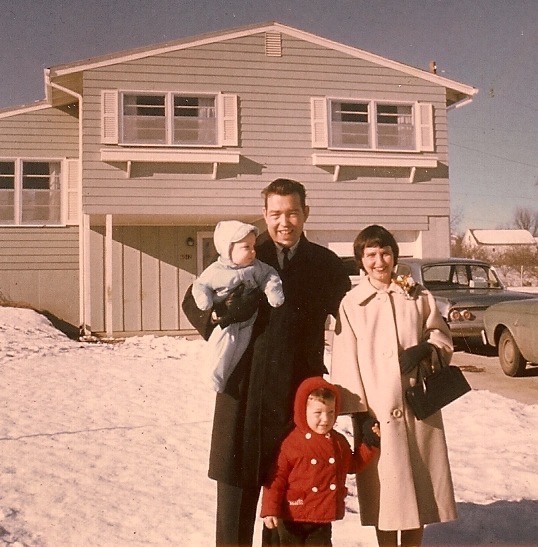 Most important to my life as a mother was Al’s job. For thirty-two years, he worked as a salesman and then as Division Manager for E. J. Brach and Sons, a Chicago based candy company. Travel was important to his job. His territory, while we were in Omaha, Nebraska, was the northern half of Nebraska, southeastern South Dakota and western Iowa. He was on the road Monday through Friday two weeks out of four. In addition to sales meetings, which happened at least quarterly and took up part of a weekend, he spent five times a year out of town over a weekend. I missed him, but what I missed more was having some time to myself. Without him and his help with the boys, those almost two weeks seemed endless.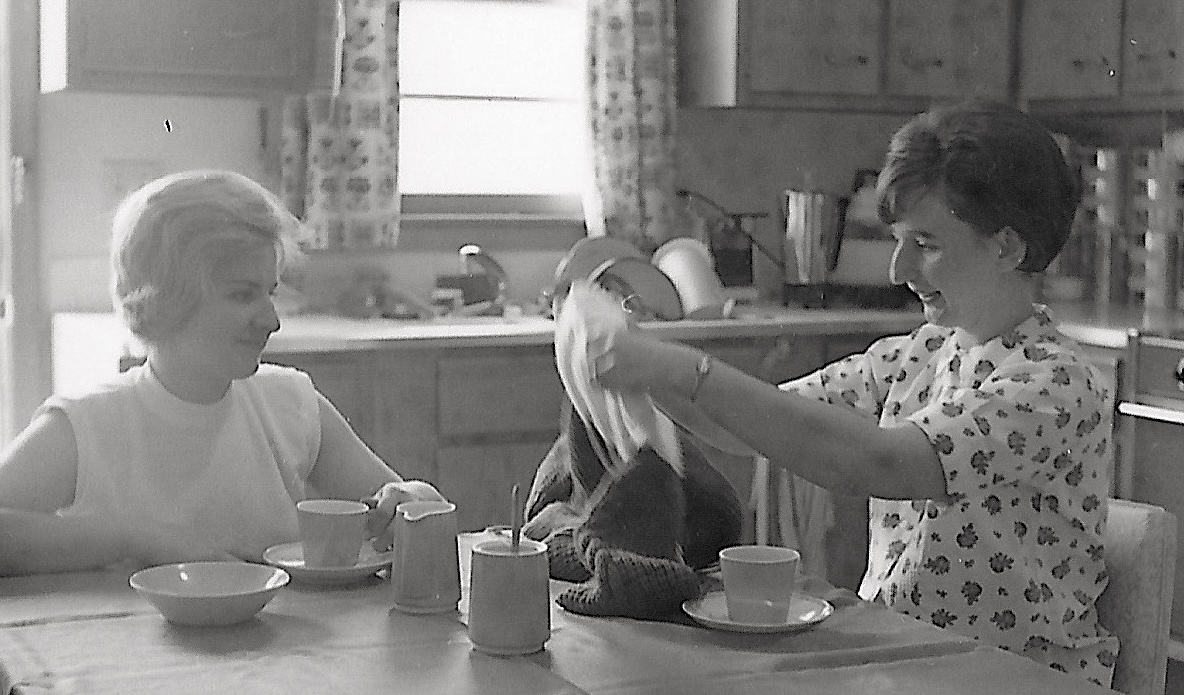
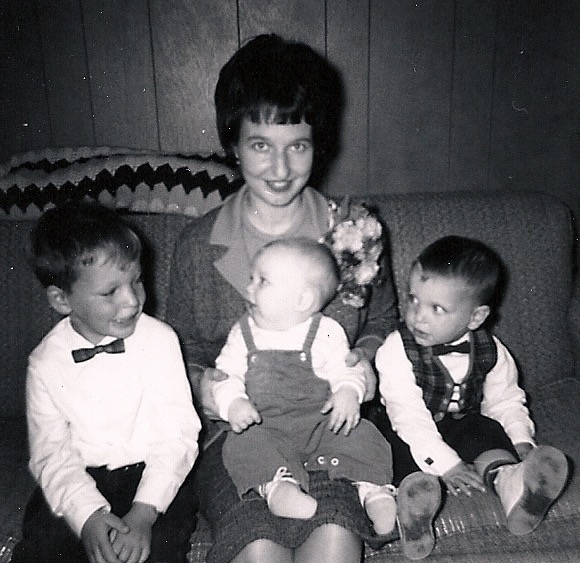 Bath time came after dinner and dishes. Three boys in a tub! How crazy can it get? I let them play as long as they could keep peace. I enjoyed sitting beside the tub, swiping at the boys’ faces with a washcloth, as they propelled their boats in the water.


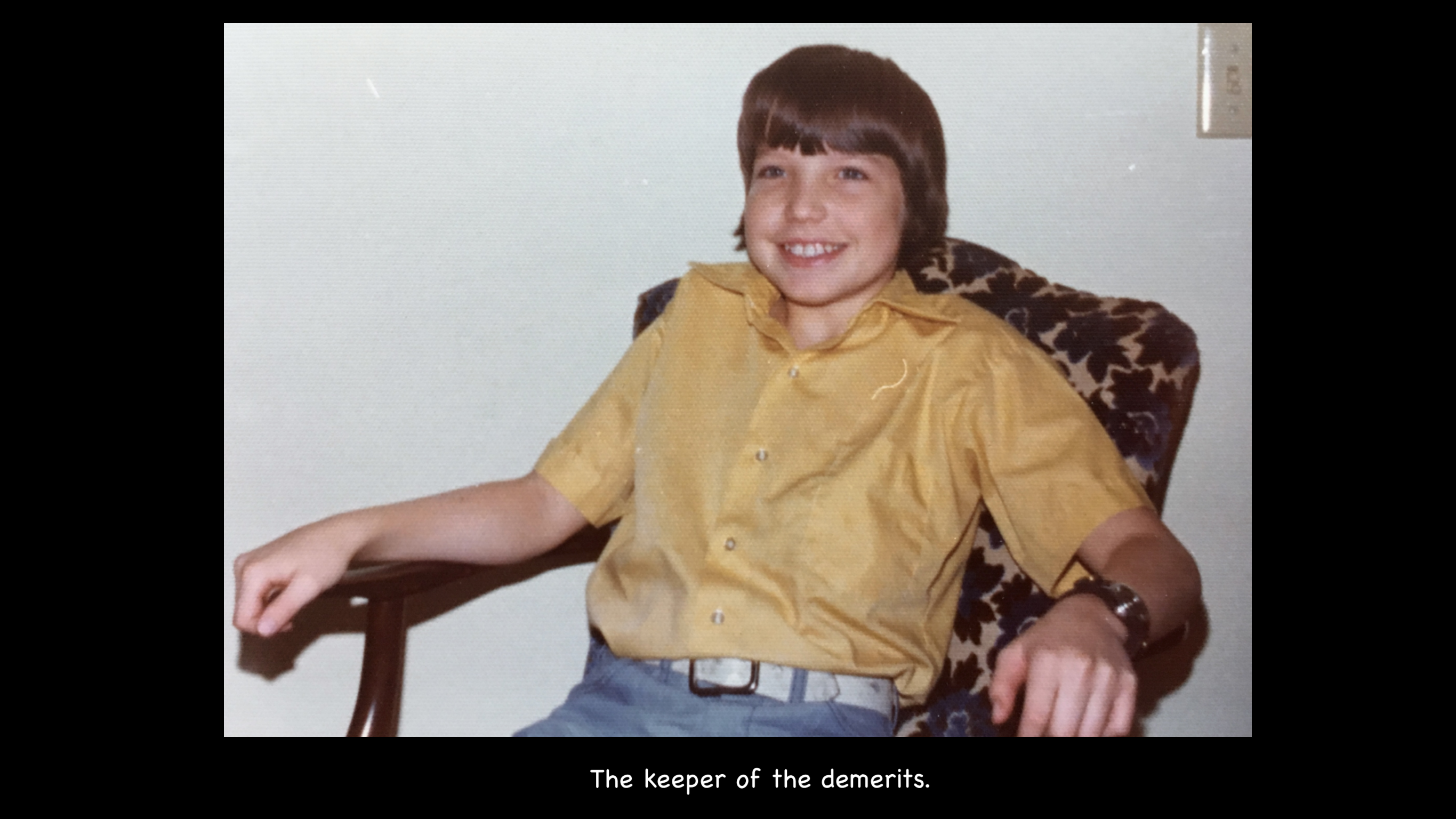
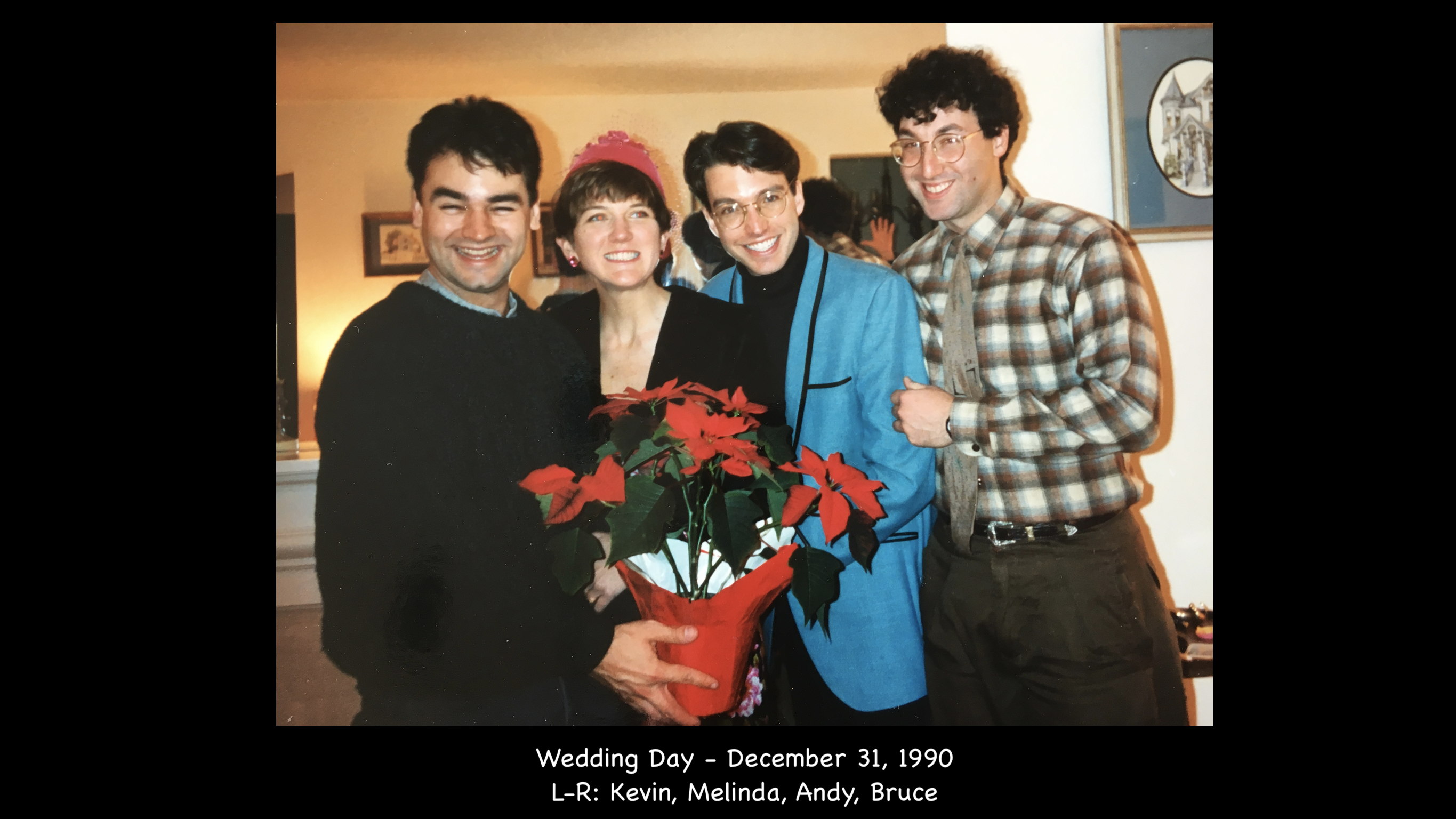

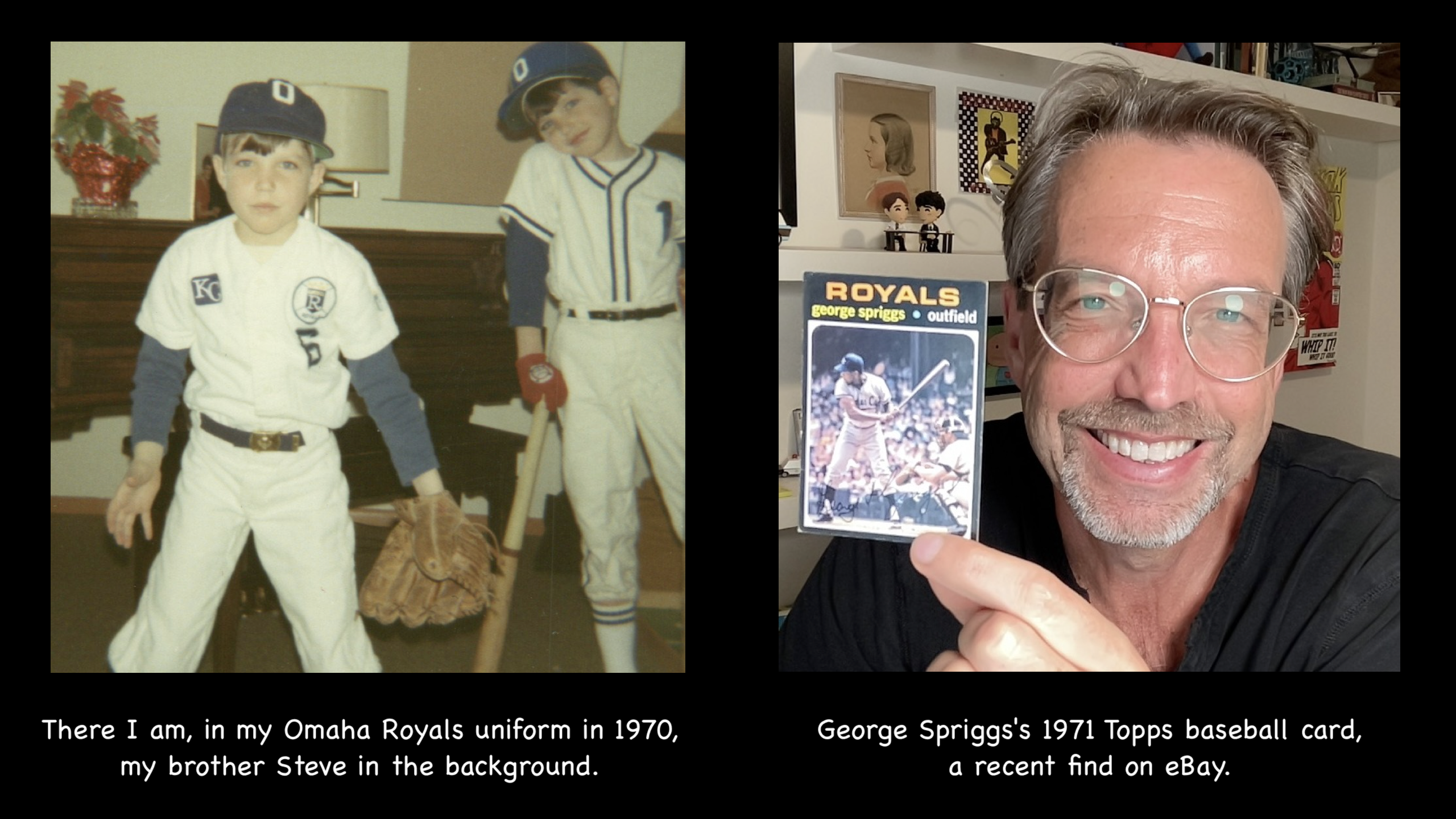
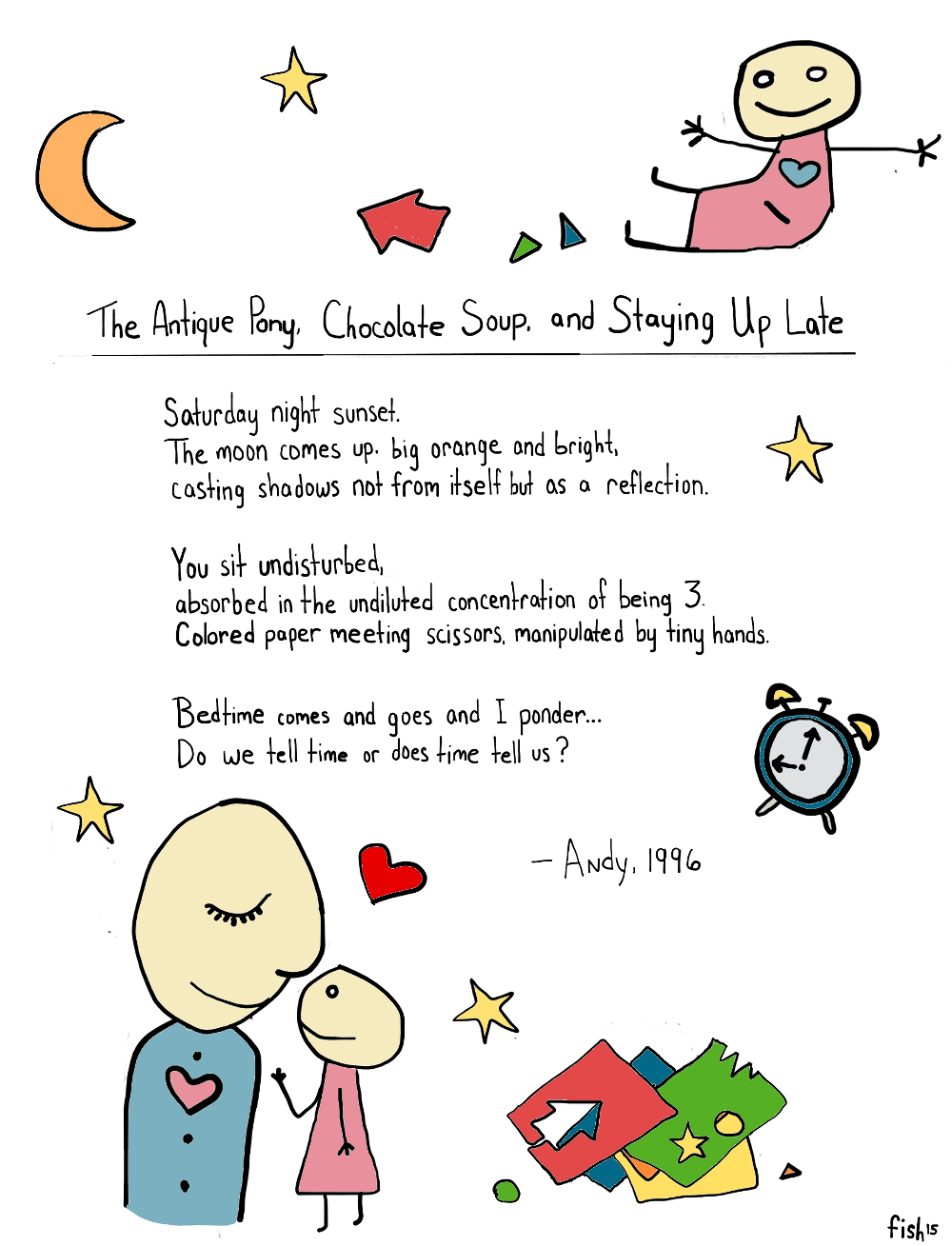
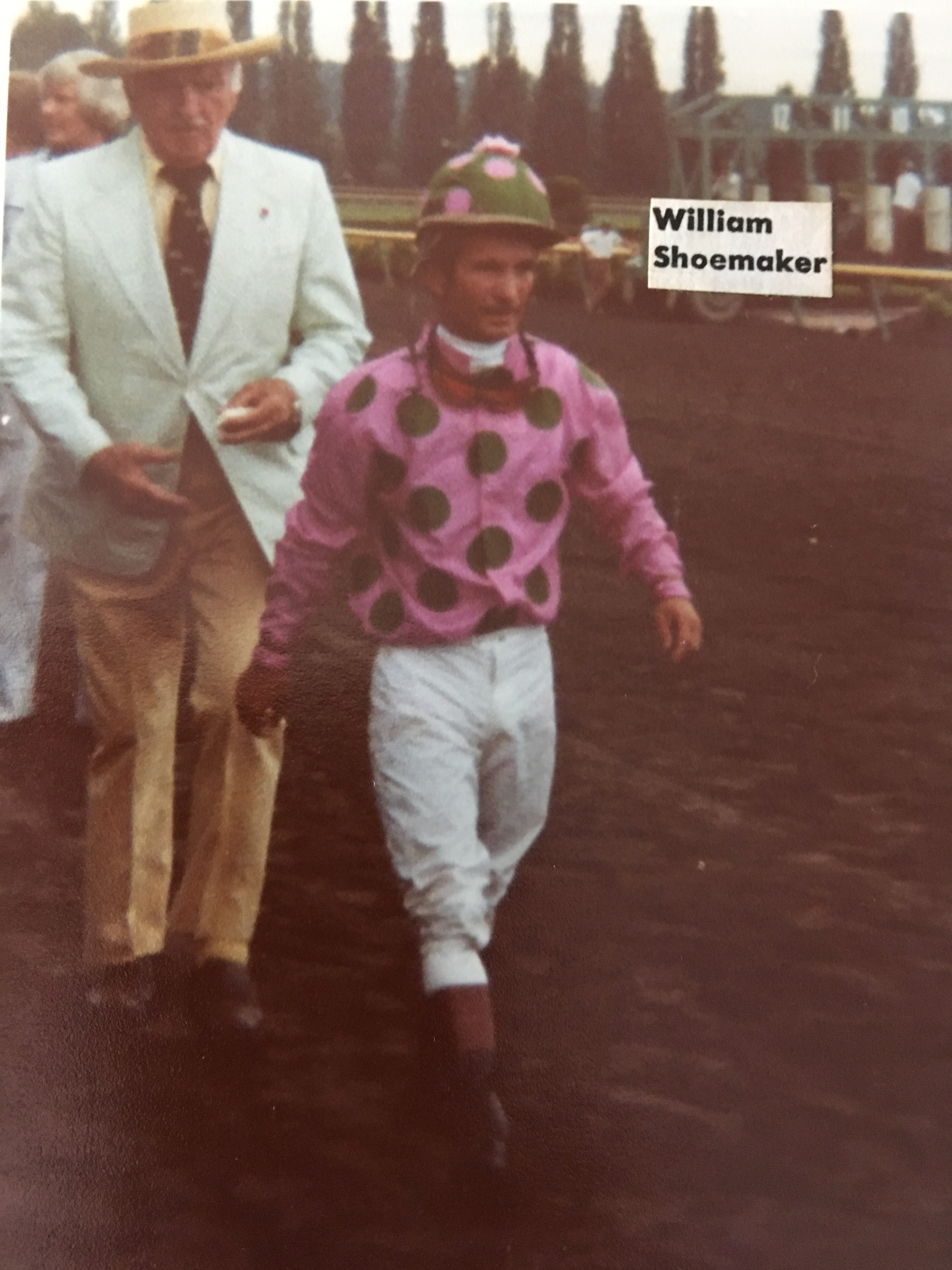
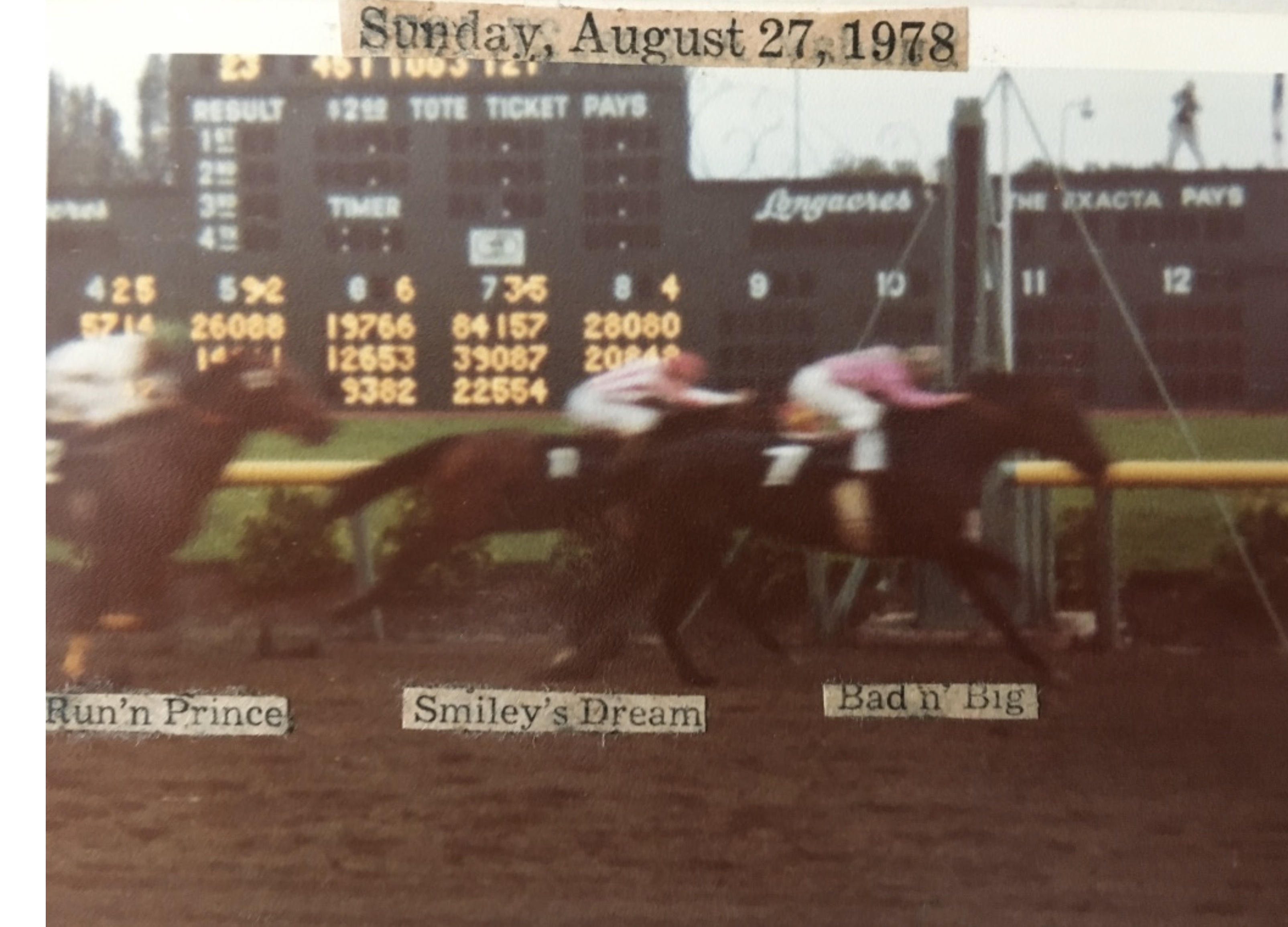


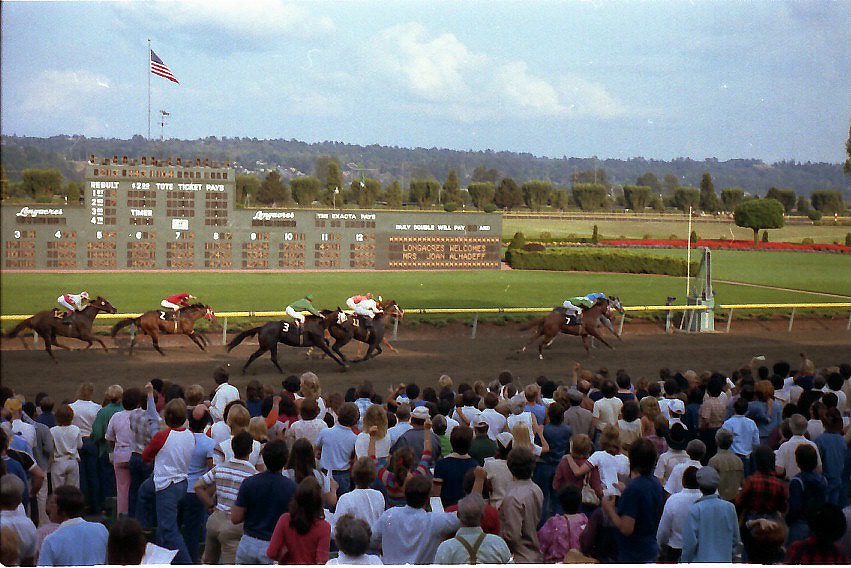

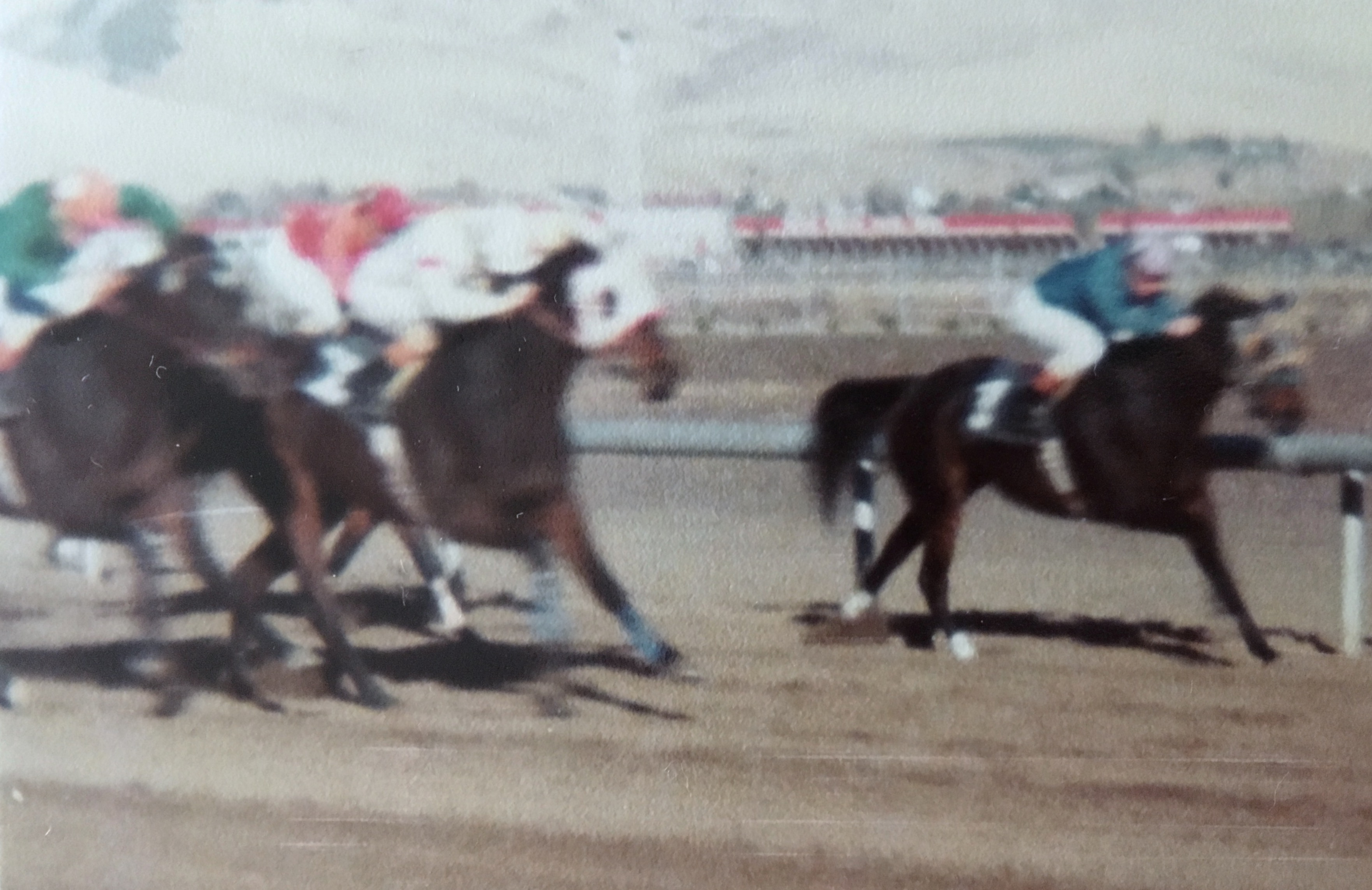
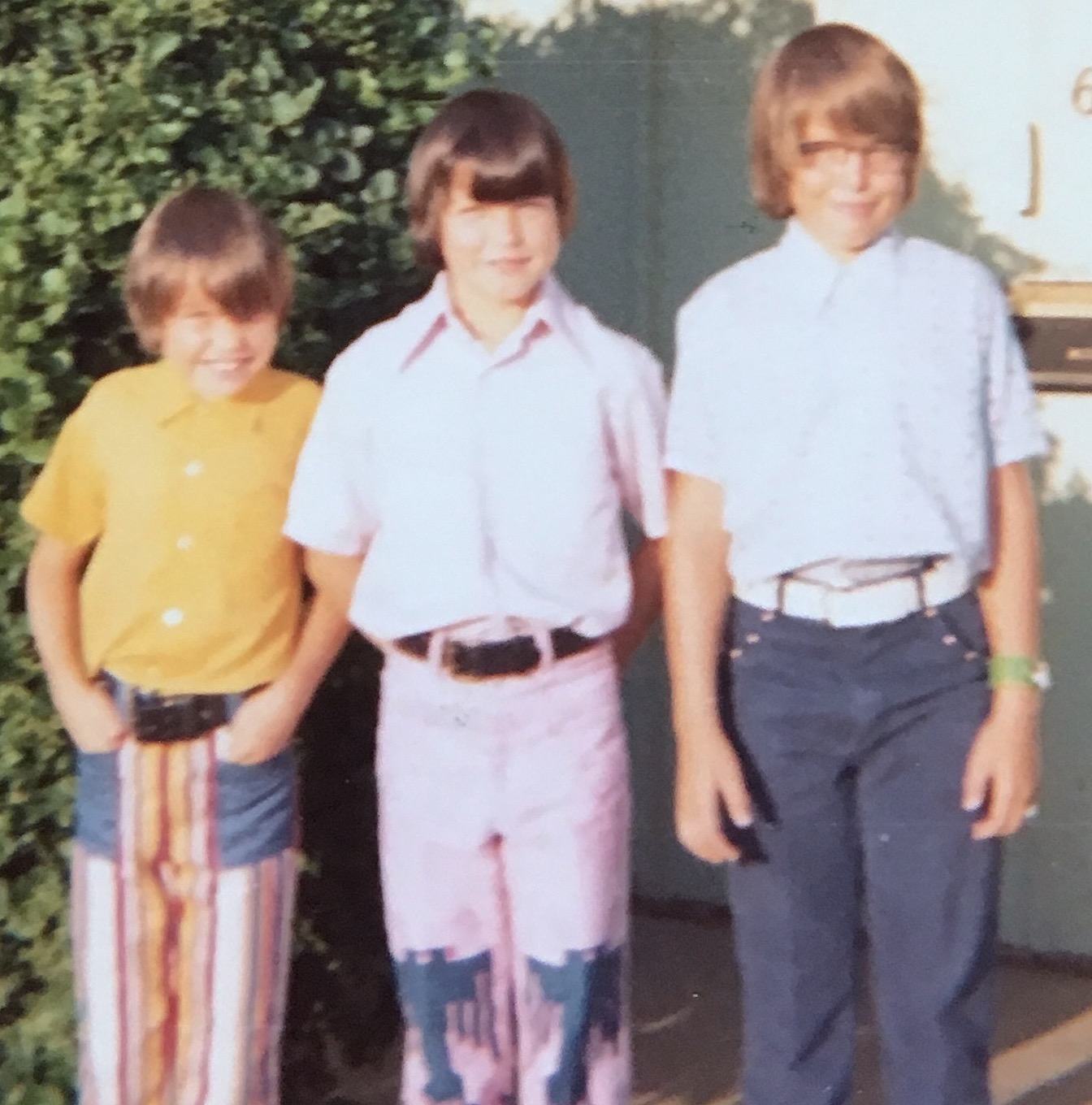
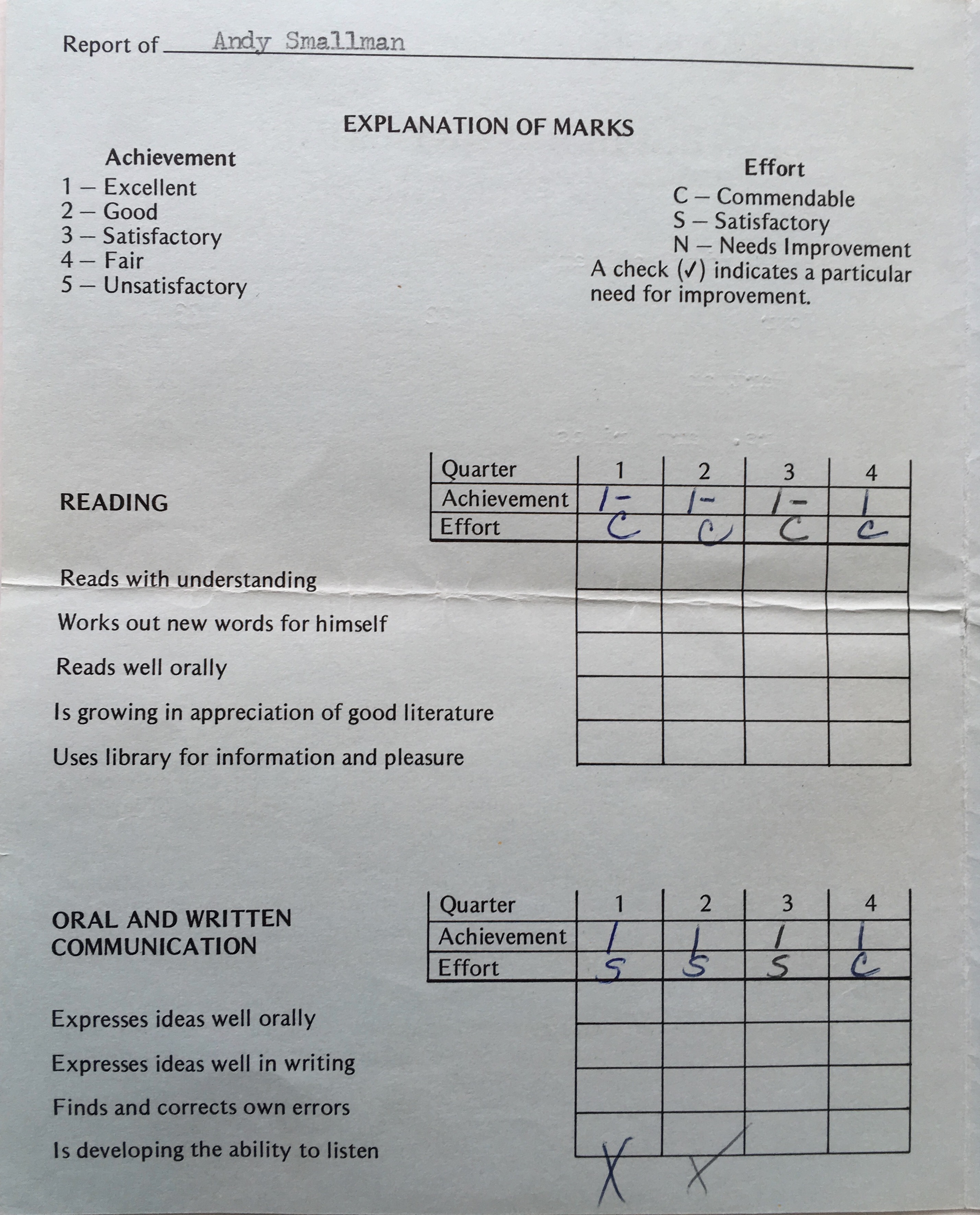


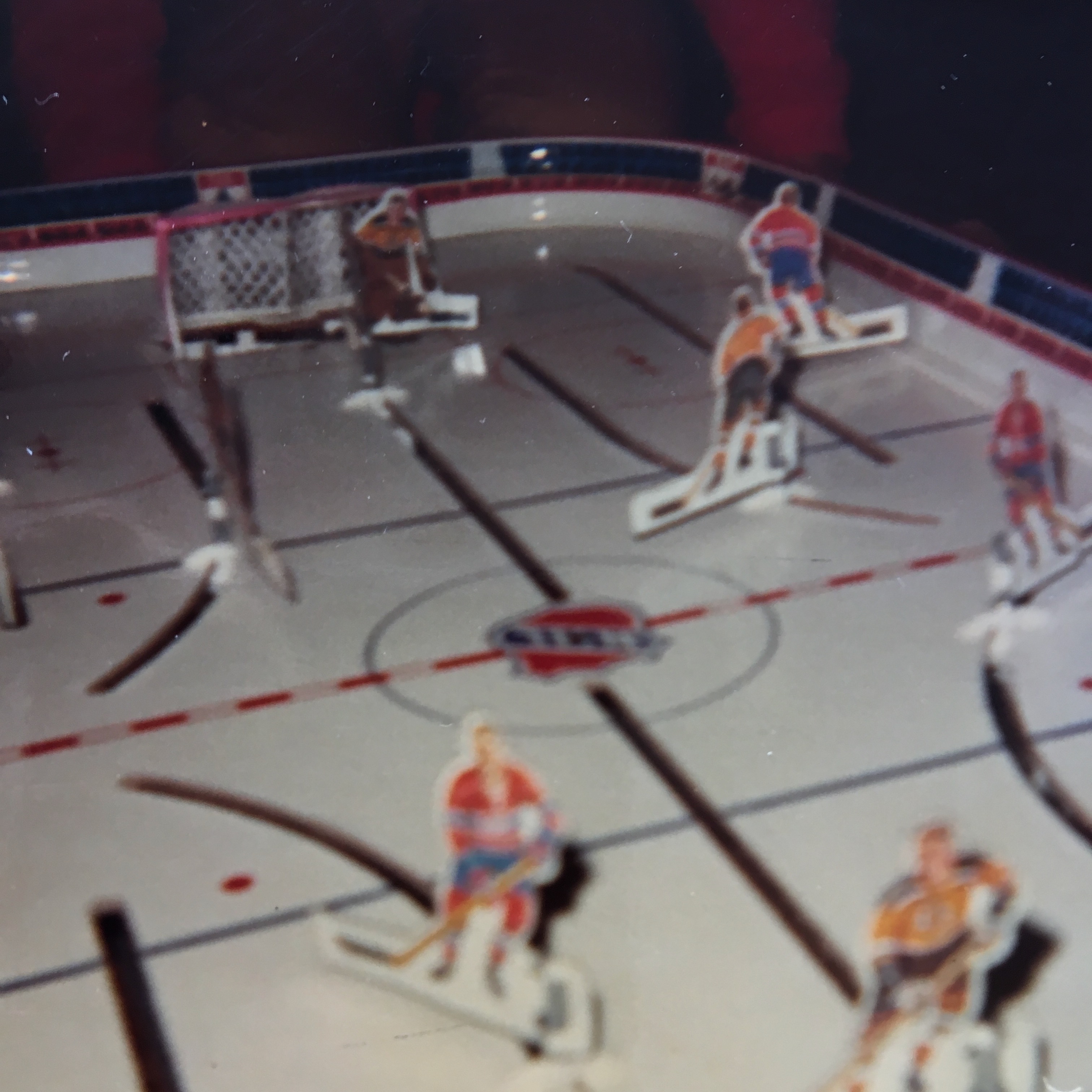
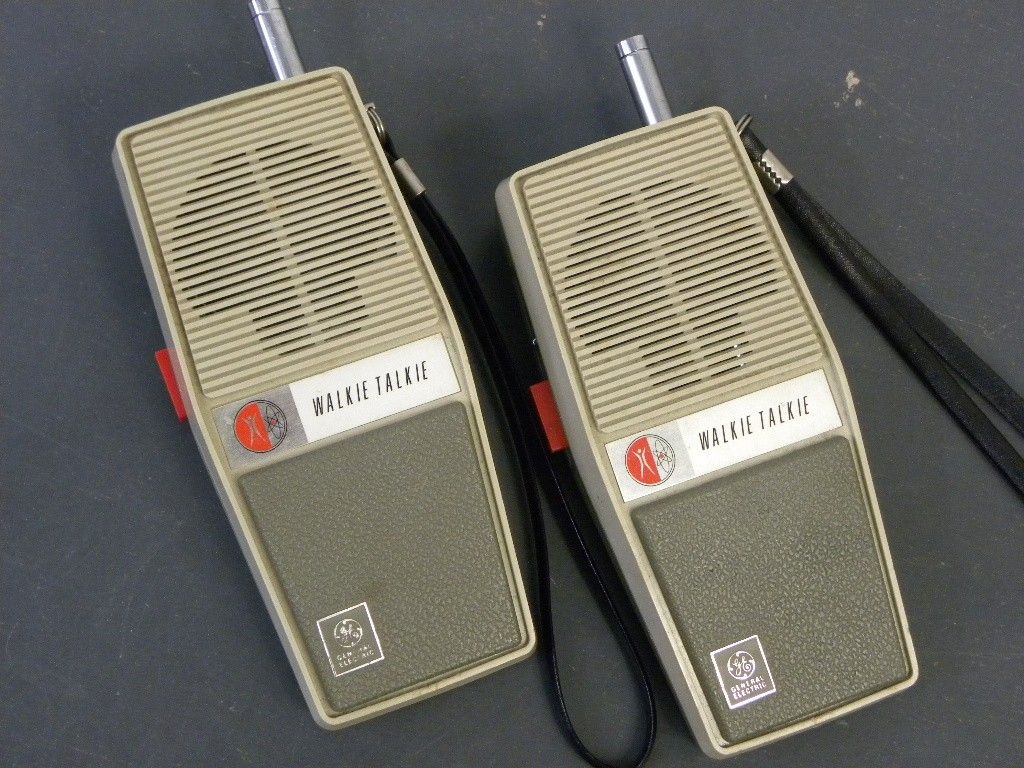
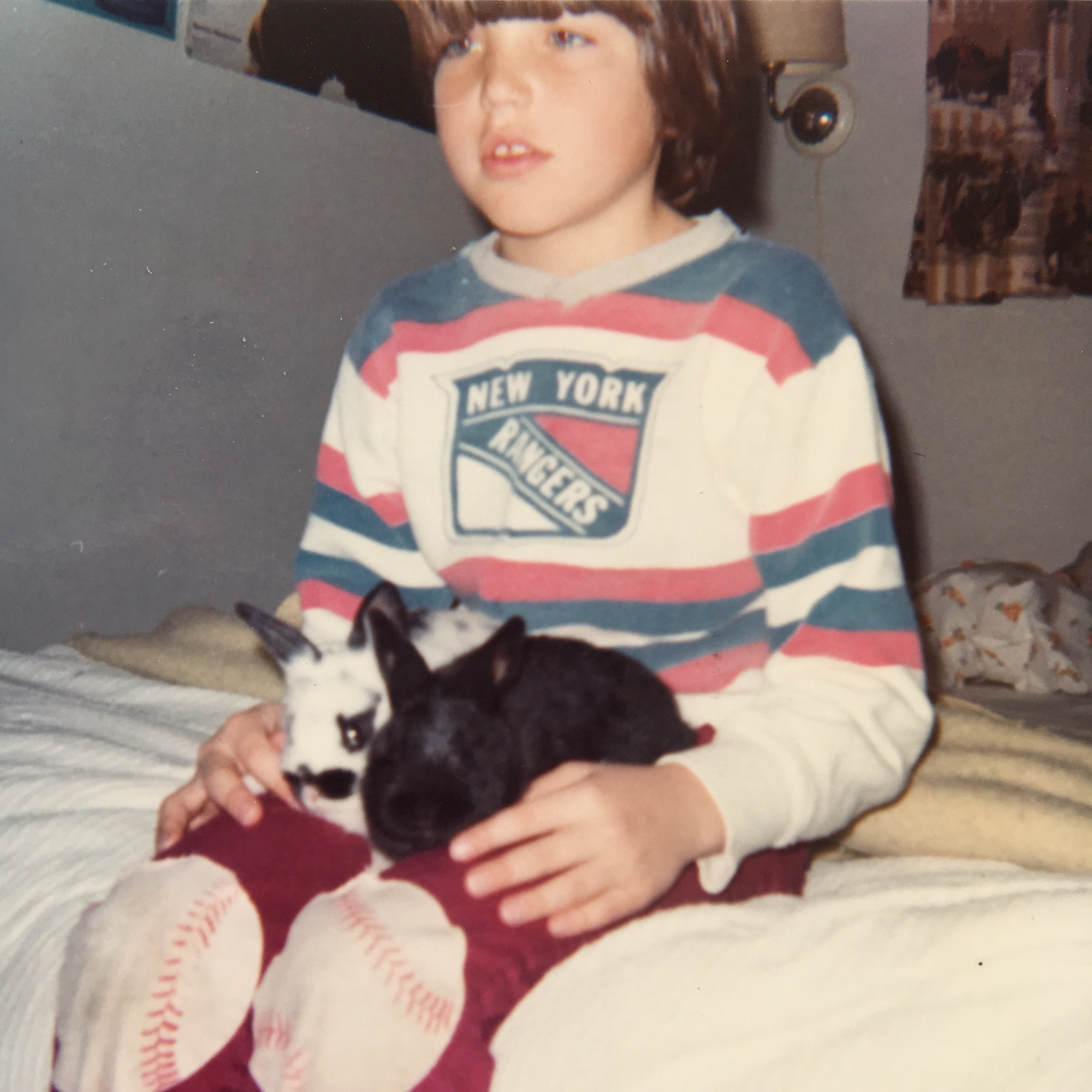
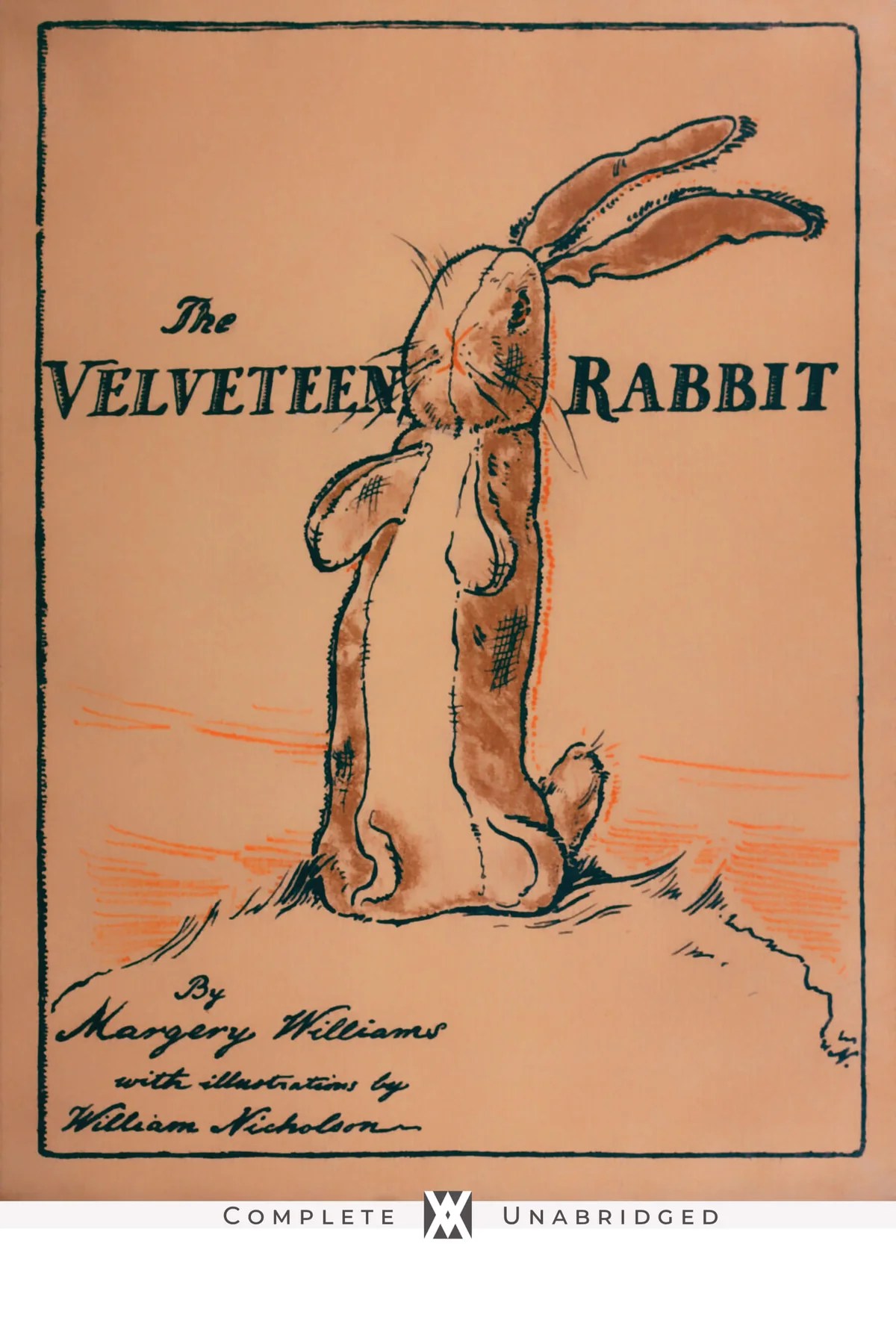



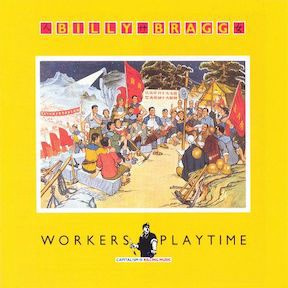



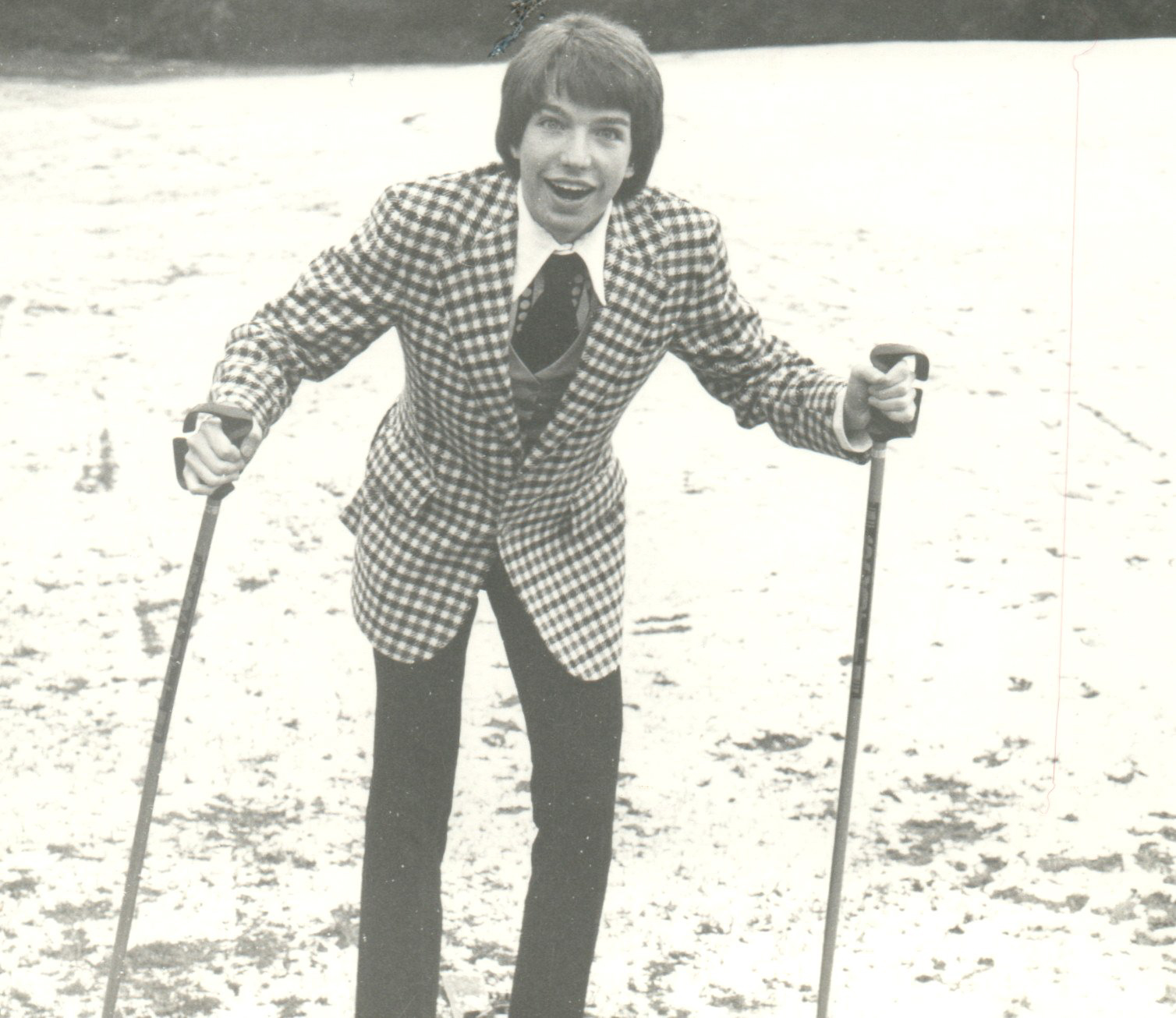


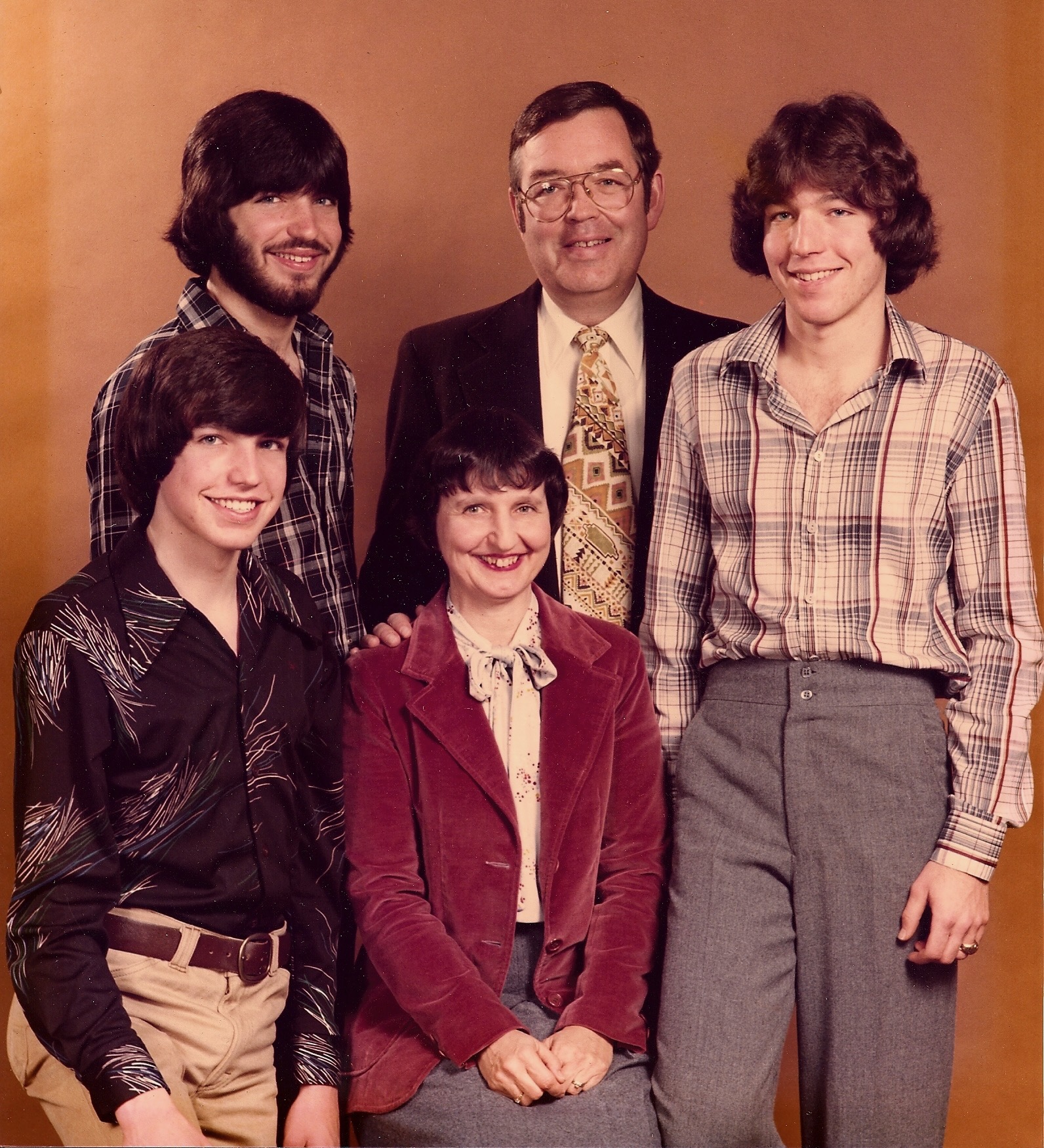
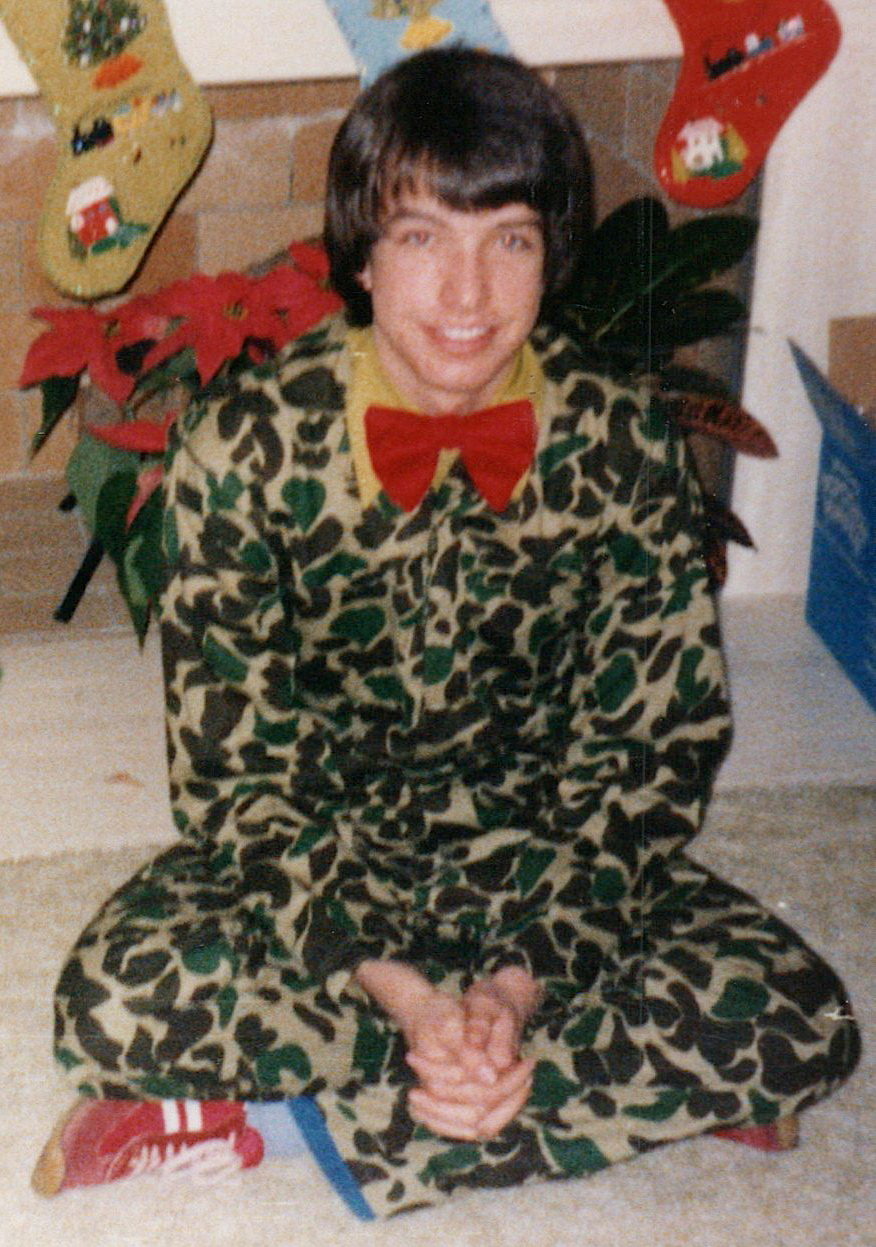
 Andy Smallman